The manufacturing sector is in the golden era in India. The government has been promoting manufacturing with schemes like Make in India (2.0), PLI (Production Linked Incentive) and the large and growing local market of 1.4 billion. 2026 looks like the best year yet to enter manufacturing. Whether you have ₹50,000 in your pocket, or have ₹5 crore ready to deploy, there is a Manufacturing Business waiting for you.
The accumulation of export growth, enhanced logistics networks, and electronic supply chains have reduced the barriers to entry in dozens of industries. Here are 25 carefully selected, research-tested Manufacturing Business Ideas that span from home-based micro-businesses to large-scale industrial manufacturing plants, backed by numbers of actual investments, revenue streams and ways to start today.
Why Start a Manufacturing Business in 2026?
- Good government subsidy: There are government subsidies available for new manufacturers under schemes such as PMEGP, MUDRA, PLI etc., and they offer low-interest loans and tax breaks.
- The rise of domestic demand: The middle class in India is expected to increase to 580 million by 2026, driving the demand for packaged goods, personal care and construction materials.
- Export opportunities: Indian manufacturers are filling global supply-chain gaps being created due to the rising cost of China, particularly in electronics, textiles, and chemicals.
- Abundant raw materials: India’s agricultural surpluses and mineral resources ensure that raw material prices remain competitive with other countries.
- Digital tools: ERP software, e-commerce and B2B platforms such as IndiaMART and TradeIndia have made it easy to connect with buyers across the country, from day one.
- Skilling ecosystem: ITIs, NSDC courses and online platforms enable entrepreneurs to acquire technical skills rapidly and cost effectively.
How to Choose the Right Manufacturing Business Ideas
- Match the budget: Get the ideas within your investment range and make sure to allow at least 20% of the working capital buffer.
- Know the demand of the area: If there is a need for your product in your district or state, it will move faster, and will help to cut down on logistics expenses.
- Assess raw material availability: Being close to raw material sources can have significant cost and margin impact.
- Assess the skill level required: For some enterprises (agarbatti, paper bags), the skill required is very low; others (pharmaceuticals, electronics), require technical skills.
- Research competition: If you see 2-3 players in the market, it’s healthier than a saturated one, you can check the competition level on IndiaMart and JustDial.
- Know regulation needs: Food, Pharma and chemical manufacturing requires FSSAI clearance, drug licences, pollution board clearance, consider time required for compliance.
- Consider scalability: Opt for a business that allows you to grow as you increase your production without needing to rebuild your business.
25 Profitable Manufacturing Business Ideas for 2026
A) Low-Investment Manufacturing Business Ideas (Under ₹5 Lakh)
1. Agarbatti (Incense Stick) Manufacturing
| Parameter | Details |
| Category | Home-Based / Cottage Industry |
| Investment Required | ₹50,000 – ₹1.5 Lakh |
| Raw Materials Needed | Bamboo sticks, charcoal powder, jigat powder, perfume |
| Machinery Cost | ₹30,000 – ₹80,000 (semi-auto machine) |
| Skill Level | Low |
| Monthly Revenue (Est.) | ₹40,000 – ₹1,20,000 |
| ROI Timeline | 6–10 months |
| Govt. Scheme | PMEGP, MUDRA Shishu |
| Market Demand Level | Very High |
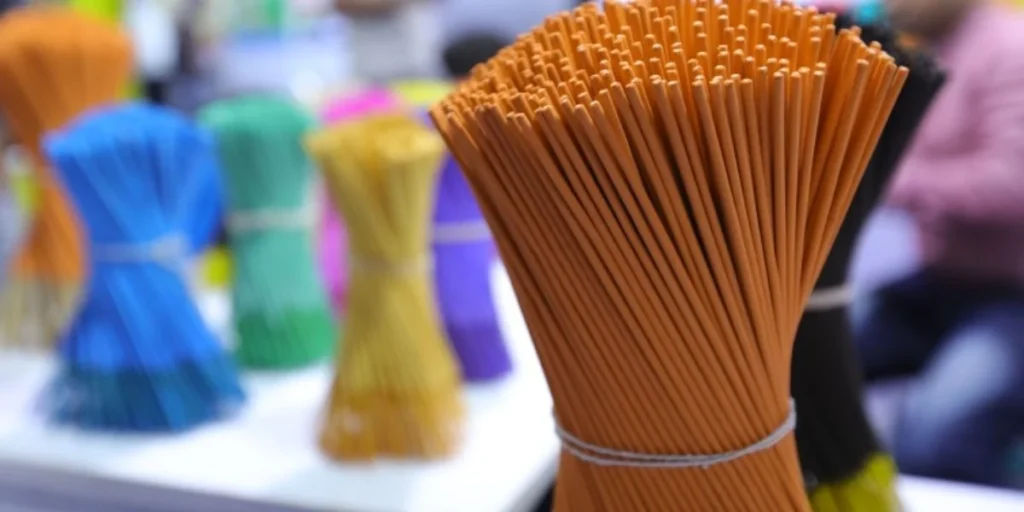
Agarbatti manufacturing is among the most time-tested Manufacturing Business in India and there is a year-round demand for it in the country as well as overseas. India is the largest producer and consumer of incense sticks. A semi automatic rolling machine requires one man to produce 15-20kg sticks per day. Its product is sold to local wholesalers, shops, even overseas. The margins are good (25-35%) and the government actively supports this sector through cottage industry schemes.
Also Read:
- Business Ideas in Gujarat
- Business Ideas in Mumbai
- Business Ideas in Kolkata
- Business Ideas in Tamil Nadu
2. Paper Bag Manufacturing
| Parameter | Details |
| Category | Eco-Friendly / Low Investment |
| Investment Required | ₹1 Lakh – ₹3 Lakh |
| Raw Materials Needed | Kraft paper, adhesive, thread/rope handles |
| Machinery Cost | ₹70,000 – ₹2 Lakh |
| Skill Level | Low |
| Monthly Revenue (Est.) | ₹60,000 – ₹1,80,000 |
| ROI Timeline | 8–12 months |
| Govt. Scheme | PMEGP, State Handloom/Khadi Boards |
| Market Demand Level | Very High (post-plastic ban) |
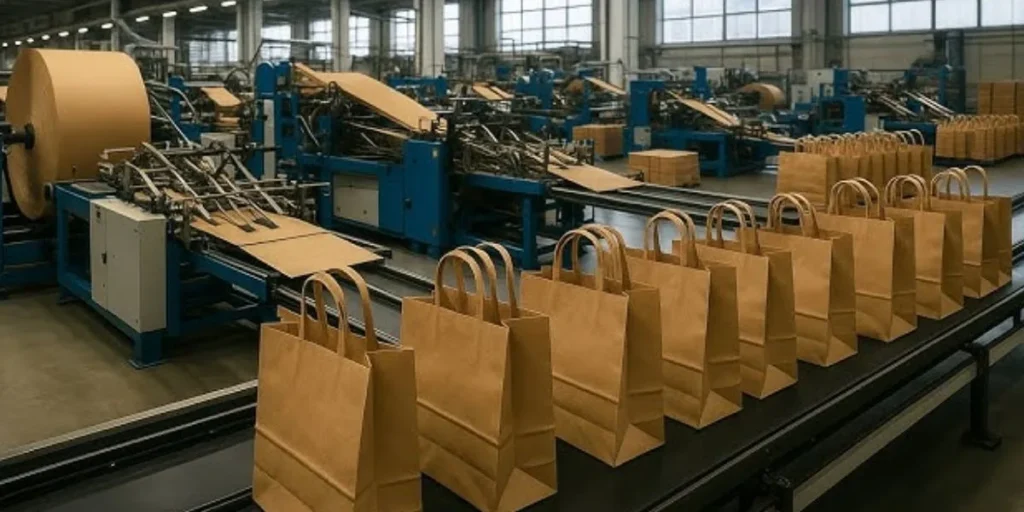
Ever since the single-use plastic ban in the country, paper bag making is one of the most sought-after business ideas in manufacturing in India. Paper bags are more in demand than ever at retail stores, grocers, bakeries and clothing boutiques. The main raw material is kraft paper that is easily available from mills in Andhra Pradesh, Maharashtra etc. A machine to make paper bags is available at Rs 1-2 lakh and can make 2000-3000 bags in a day. Personalised Printed Bags sell for high prices and can be marketed to companies.
3. Candle Making
| Parameter | Details |
| Category | Home-Based / Festive |
| Investment Required | ₹50,000 – ₹2 Lakh |
| Raw Materials Needed | Paraffin wax, wicks, dyes, fragrance oils, moulds |
| Machinery Cost | ₹20,000 – ₹60,000 |
| Skill Level | Low |
| Monthly Revenue (Est.) | ₹30,000 – ₹1,00,000 |
| ROI Timeline | 6–9 months |
| Govt. Scheme | PMEGP, MUDRA |
| Market Demand Level | High (festive + décor segment) |
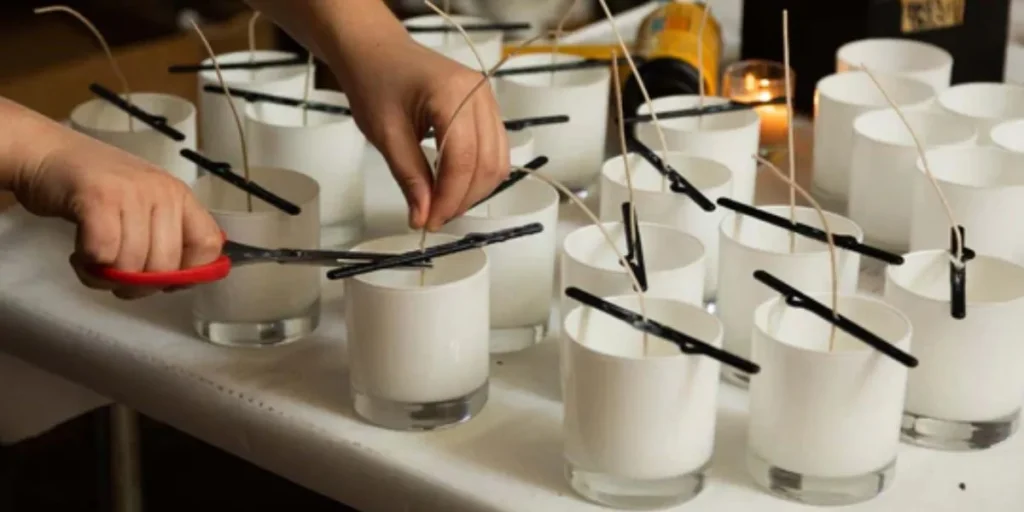
Candle Making is a creative Manufacturing Business Ideas that is appealing to the Millennials with business potential. Peaks are in demand during Diwali, Christmas, and wedding seasons, however, with the advent of designer aromatherapy and soy candles, the sales are now regular, available on ecommerce sites such as Amazon, Meesho, and Etsy, throughout the year. Raw materials are very cheap and locally available. It can be used at home and social media marketing can generate direct sales with 40-60% margins. To capture both budget and premium buyers, this is where 10–15 design variants are helpful.
4. Chalk and Whiteboard Marker Manufacturing
| Parameter | Details |
| Category | Educational / Stationery |
| Investment Required | ₹1 Lakh – ₹3 Lakh |
| Raw Materials Needed | Calcium sulphate, pigments, PVC tubes, ink |
| Machinery Cost | ₹50,000 – ₹1.5 Lakh |
| Skill Level | Low–Medium |
| Monthly Revenue (Est.) | ₹50,000 – ₹1,50,000 |
| ROI Timeline | 10–14 months |
| Govt. Scheme | PMEGP, District Industries Centre |
| Market Demand Level | Steady |
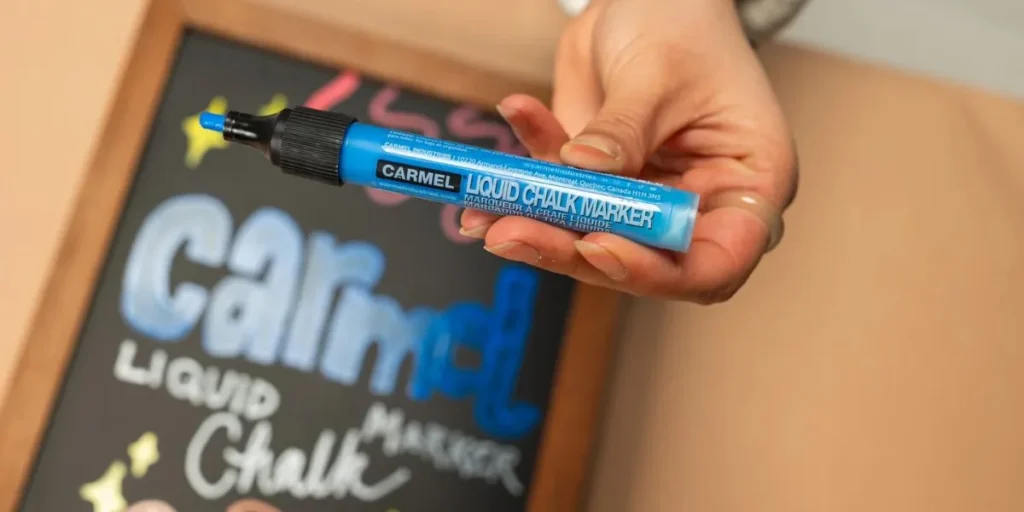
India has more than 1.5 lakh schools which are active all over the country, and hence the demand for chalk sticks and white board markers is forever. The raw material cost of making chalk is extremely low – mainly calcium sulphate (gypsum) with pigment and water – which is poured into moulds. The use of manual or semi-automatic moulds would be cheap and a set of two moulds would run two workers and yield 5,000–8,000 pieces per day. A steady monthly income with little marketing can be achieved by supplying straight to district level school stationery distributors or government tenders.
5. Detergent and Cleaning Products Manufacturing
| Parameter | Details |
| Category | Home Care / FMCG |
| Investment Required | ₹1.5 Lakh – ₹4 Lakh |
| Raw Materials Needed | LABSA, soda ash, sodium silicate, perfume, STPP |
| Machinery Cost | ₹80,000 – ₹2 Lakh |
| Skill Level | Medium |
| Monthly Revenue (Est.) | ₹70,000 – ₹2,00,000 |
| ROI Timeline | 8–12 months |
| Govt. Scheme | PMEGP, MSME Cluster Development |
| Market Demand Level | Very High |
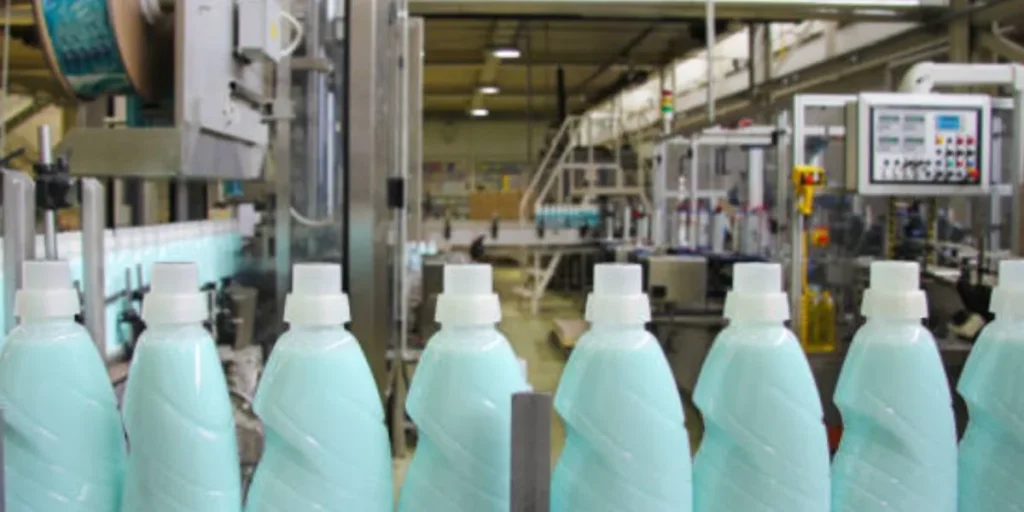
Detergent powder and liquid soap are everyday household products that people use on a regular basis, which makes it one of the most recession-proof manufacturing businesses out there. The formulation of detergent powder is simple and training is available from chemical suppliers. The main benefit is private labelling – the manufacturers can make it under their own brand or sell to regional FMCG distributors. Product extensions such as cleaning liquids (floor cleaner, dishwash gel) are possible, as long as the same basic infrastructure is used.
B) Medium-Investment Manufacturing Business Ideas (₹5L – ₹50L)
6. Plastic PVC Pipe Manufacturing
| Parameter | Details |
| Category | Construction / Infrastructure |
| Investment Required | ₹10 Lakh – ₹35 Lakh |
| Raw Materials Needed | PVC resin, stabilisers, lubricants, pigments |
| Machinery Cost | ₹8 Lakh – ₹25 Lakh (extruder + die sets) |
| Skill Level | Medium |
| Monthly Revenue (Est.) | ₹3 Lakh – ₹10 Lakh |
| ROI Timeline | 18–30 months |
| Govt. Scheme | CLCSS, PLI for Chemicals |
| Market Demand Level | Very High |
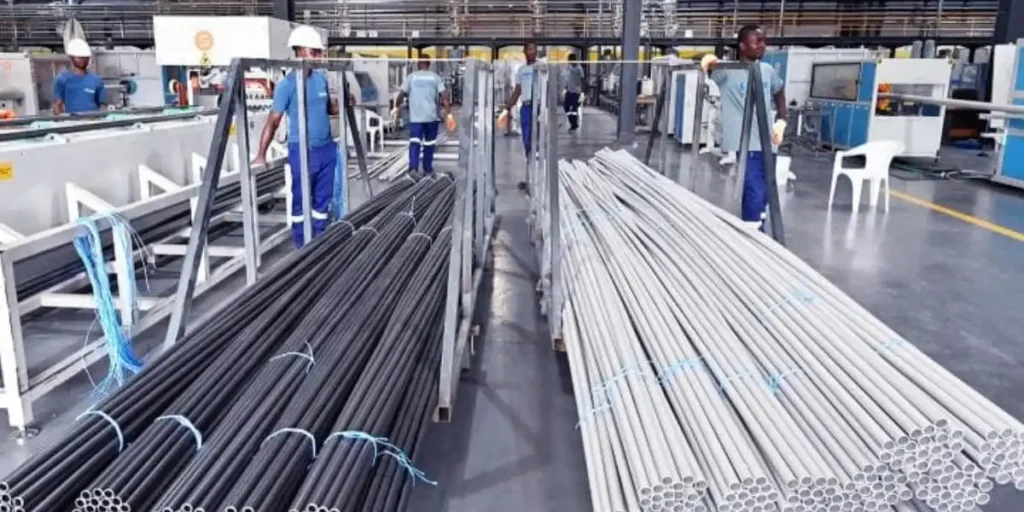
PVC pipe manufacturing is one of the most lucrative Manufacturing Business for 2026 as it is having the fastest growth in Asia’s construction, agriculture irrigation, and municipal plumbing industry. PVC pipes are used for water supply, drainage, for electrical conduit and agricultural drip irrigation systems. One pipe size (20mm to 110mm) 1 extruder line can be used in various markets. Bureau of Indian Standards (BIS) Certificate is compulsory and it lends a lot of credibility to a government or infrastructure contractor.
7. LED Bulb and Light Fitting Assembly
| Parameter | Details |
| Category | Electronics / Energy |
| Investment Required | ₹5 Lakh – ₹20 Lakh |
| Raw Materials Needed | LED chips, drivers, PCBs, heat sinks, housing |
| Machinery Cost | ₹3 Lakh – ₹12 Lakh |
| Skill Level | Medium |
| Monthly Revenue (Est.) | ₹2 Lakh – ₹8 Lakh |
| ROI Timeline | 12–20 months |
| Govt. Scheme | PLI for White Goods, MSME Tech Upgradation |
| Market Demand Level | Very High |
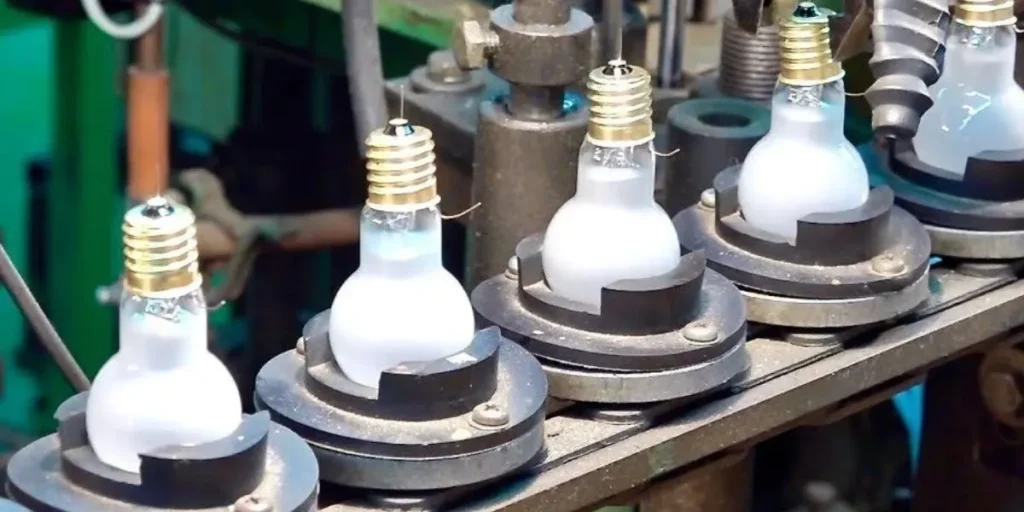
India is pushing its way to become a more energy efficient country and LED assembly is one of the biggest growing energy efficient manufacturing businesses today. LED chips, PCB boards, drivers and others are imported from China or manufactured domestically. After a brief period of training, 500-1000 bulbs can be put together by one semi-skilled person per day. High volume orders are guaranteed through electrical wholesalers, municipal tenders and housing project contractors. The government’s UJALA scheme is ongoing to promote bulk procurement from domestic manufacturers.
8. Furniture Manufacturing (Modular / Wooden)
| Parameter | Details |
| Category | Home Furnishing / Interior |
| Investment Required | ₹8 Lakh – ₹40 Lakh |
| Raw Materials Needed | Plywood, MDF, laminates, hardware fittings, wood |
| Machinery Cost | ₹5 Lakh – ₹25 Lakh |
| Skill Level | Medium–High |
| Monthly Revenue (Est.) | ₹3 Lakh – ₹15 Lakh |
| ROI Timeline | 18–24 months |
| Govt. Scheme | CLCSS, MSME Cluster Scheme |
| Market Demand Level | High |
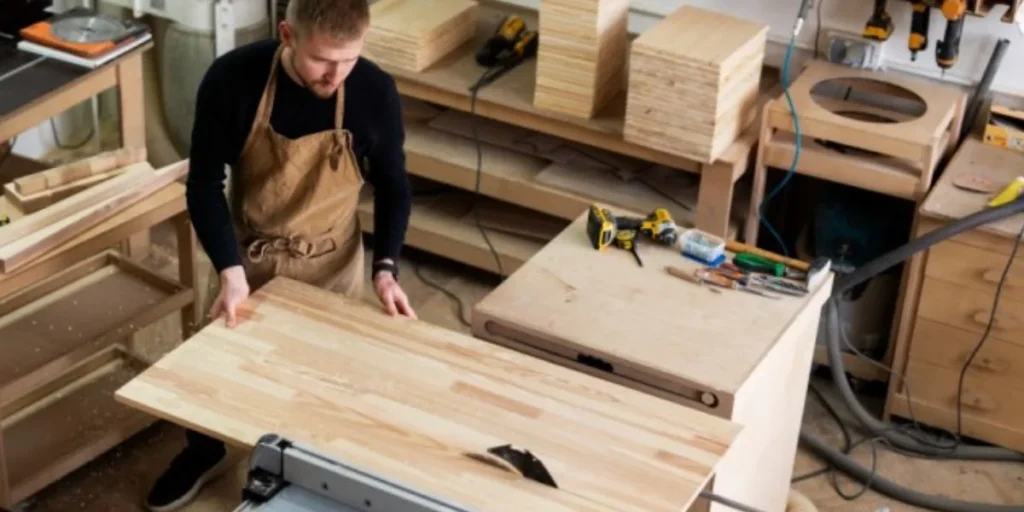
This is fueling unprecedented demand for low cost modular furniture in Tier-2 and Tier-3 cities. A workshop of 1,500 – 3,000 sq. ft. can manufacture wardrobes, kitchen cabinets, office workstation and TV units, using MDF and plywood as the primary raw material, which are available throughout the country from dealers. By working with interior designers, construction companies, and online marketplace sites such as Pepperfry and Urban Ladder, order pipelines can be established. The gross margin of a custom order is usually 35-45%
9. Herbal and Ayurvedic Products Manufacturing
| Parameter | Details |
| Category | Health & Wellness / FMCG |
| Investment Required | ₹5 Lakh – ₹30 Lakh |
| Raw Materials Needed | Herbs, carrier oils, beeswax, essential oils, extracts |
| Machinery Cost | ₹3 Lakh – ₹15 Lakh |
| Skill Level | Medium |
| Monthly Revenue (Est.) | ₹2 Lakh – ₹10 Lakh |
| ROI Timeline | 12–18 months |
| Govt. Scheme | AYUSH Ministry Grants, PMEGP |
| Market Demand Level | Very High |
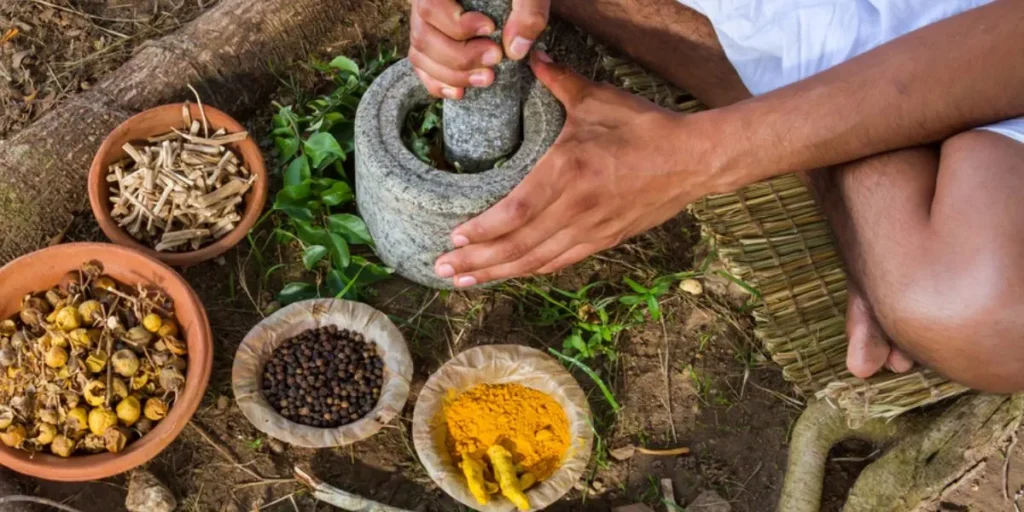
Herbal and Ayurvedic manufacturing has become one of the most exciting Manufacturing Business Ideas for 2026 due to the growing consumer awareness about natural health products. Herbal hair oil, chyawanprash, pain balm, tulsi tablets and neem soap are premium priced products with a very strong brand loyalty. Licensing by AYUSH (Ministry of Ayurveda) is essential and is very simple to get. Multiple lines of revenue can be generated through selling via modern trade, pharmacies and D2C ecommerce. The herbal products market is expanding at 15% of year-on-year growth rate internationally.
10. Textile and Garment Manufacturing
| Parameter | Details |
| Category | Apparel / Export |
| Investment Required | ₹10 Lakh – ₹50 Lakh |
| Raw Materials Needed | Fabric (cotton, polyester, blends), threads, buttons, zippers |
| Machinery Cost | ₹6 Lakh – ₹30 Lakh |
| Skill Level | Medium–High |
| Monthly Revenue (Est.) | ₹4 Lakh – ₹20 Lakh |
| ROI Timeline | 18–30 months |
| Govt. Scheme | PLI for Textiles, TUFS, PMEGP |
| Market Demand Level | Very High |
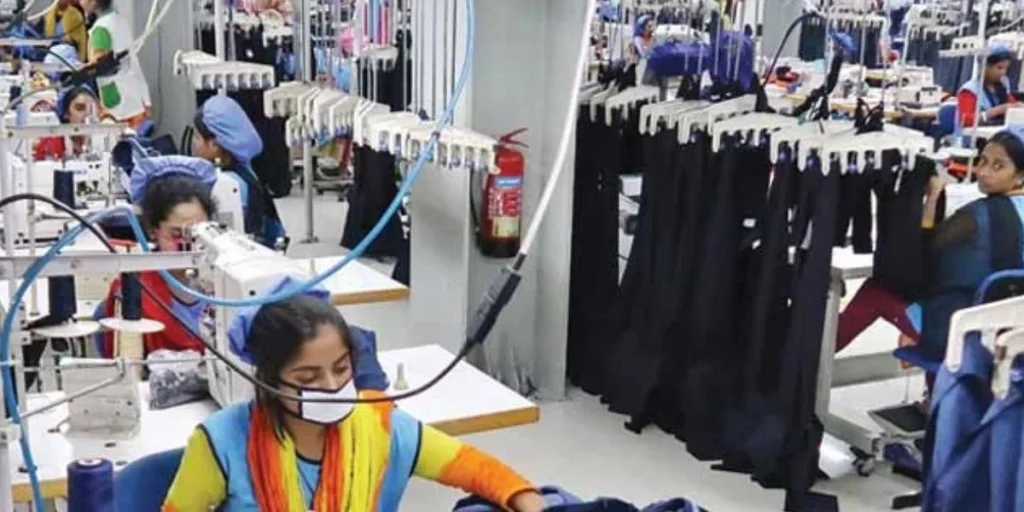
The textile sector in India is the second biggest employer in India, and as world brand companies diversify their supply chain to look beyond China, small garment units in India are gaining unprecedented buyer interest. A unit of 20-50 machines in clusters of textile units such as Surat, Tirupur, Ludhiana, allows them to reduce the raw material cost and logistics. High volume, relatively simple products for beginners in this segment are T-shirts, kurtas, leggings, school uniforms etc. Duty drawback and GST refunds can be availed in export oriented units.
C) High-Investment / Large-Scale Manufacturing Business Ideas (₹50L+)
11. Steel and Iron Fabrication
| Parameter | Details |
| Category | Heavy Industry / Infrastructure |
| Investment Required | ₹50 Lakh – ₹3 Crore |
| Raw Materials Needed | MS bars, angles, channels, plates, welding consumables |
| Machinery Cost | ₹30 Lakh – ₹2 Crore |
| Skill Level | High |
| Monthly Revenue (Est.) | ₹15 Lakh – ₹80 Lakh |
| ROI Timeline | 24–40 months |
| Govt. Scheme | PLI for Specialty Steel, CLCSS |
| Market Demand Level | Very High |
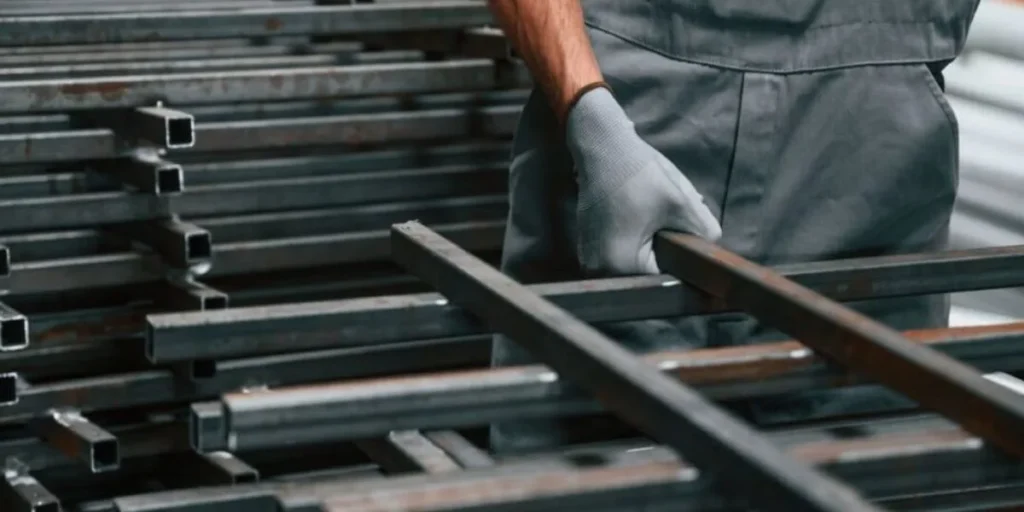
Highways, bridges, metro rail, commercial buildings, all using a new amount of steel. Steel Fabrication is metalworking processes of cutting, bending, welding, and assembling steel parts for customers ranging from construction, automotive, and industrial. A fabrication facility needs to have a large amount of heavy machinery such as CNC plasma cutters, a press brake, and welding stations. The margins vary from 12–25%, but the order volumes are large and contracts tend to be long-term. Reliable tendering opportunities are provided through Government projects under CPWD, NHAI and State PWD department.
12. Pharmaceutical Tablet and Capsule Manufacturing
| Parameter | Details |
| Category | Healthcare / Regulated |
| Investment Required | ₹1 Crore – ₹5 Crore |
| Raw Materials Needed | API (active pharma ingredients), excipients, packaging |
| Machinery Cost | ₹60 Lakh – ₹3 Crore |
| Skill Level | Very High |
| Monthly Revenue (Est.) | ₹25 Lakh – ₹2 Crore |
| ROI Timeline | 30–48 months |
| Govt. Scheme | PLI for Pharma, Pharma Park Scheme |
| Market Demand Level | Very High |
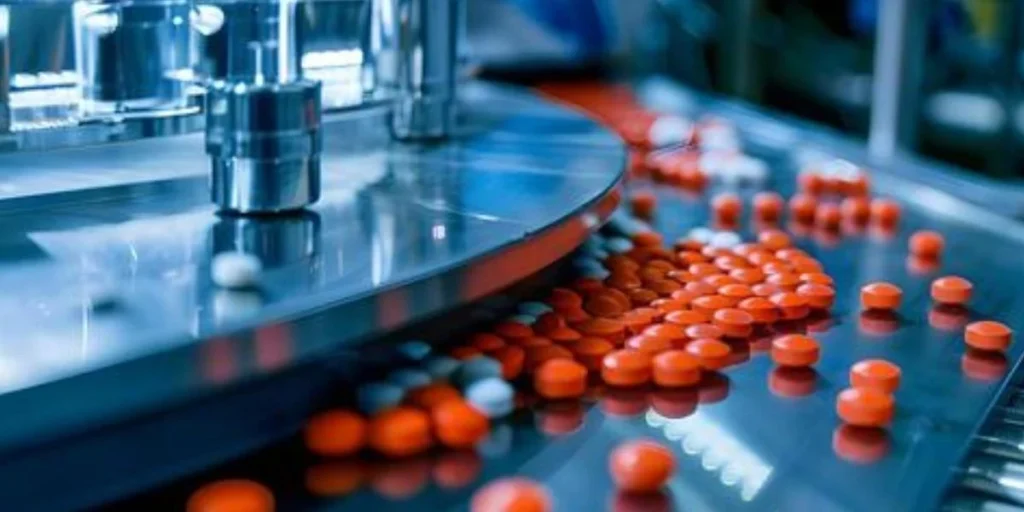
India has been the world’s ‘pharmacy’ and exports almost 20% of the world’s generic medicines. A pharmaceutical is a unit that requires a good amount of capital investment, has stringent regulations, and offers great returns. If you’re a new player, you can apply the reduction in regulatory burden by creating products under the licence of an established brand (the “loan-licence” manufacturing). The small tablet/capsule unit can supply to hundreds of pharma distributors in the country and start exportation within 2-3 years of its operations with drug licence issued by CDSCO and GMP certification.
13. Cement Block and AAC Block Manufacturing
| Parameter | Details |
| Category | Construction Materials |
| Investment Required | ₹50 Lakh – ₹2 Crore |
| Raw Materials Needed | Fly ash, cement, lime, gypsum, aluminium powder |
| Machinery Cost | ₹40 Lakh – ₹1.5 Crore |
| Skill Level | Medium–High |
| Monthly Revenue (Est.) | ₹10 Lakh – ₹50 Lakh |
| ROI Timeline | 24–36 months |
| Govt. Scheme | PMAY Construction Scheme, CLCSS |
| Market Demand Level | Very High |
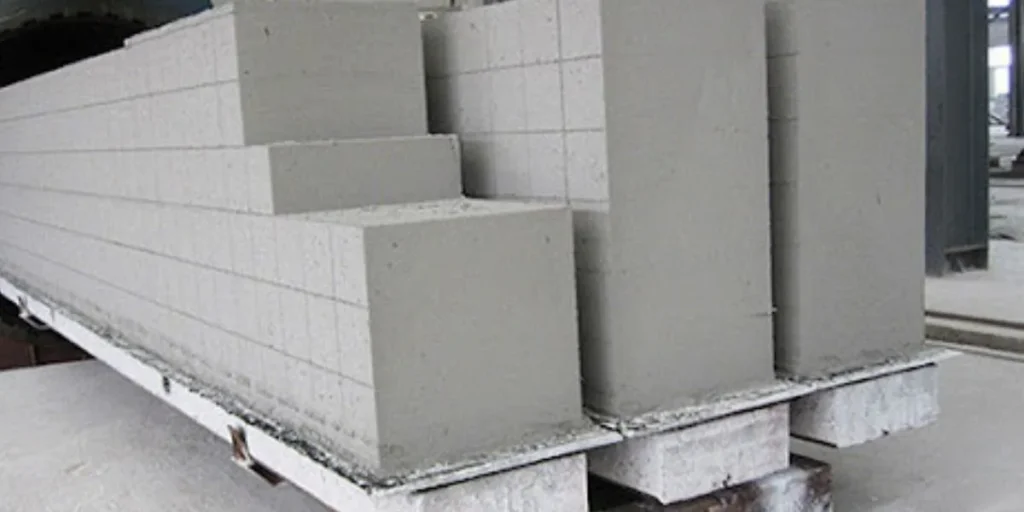
They are used in the place of traditional red bricks in Indian construction, as they are lightweight, well insulated and easy to use. As the construction of Pradhan Mantri Awas Yojana is at an all-time high, the demand for construction materials is also soaring. Fly ash from a power plant is the main raw material used in the manufacturing of AAC blocks, which makes the manufacturing process cost effective and eco friendly. A plant located close to urban centers such as Pune, Hyderabad or Ahmedabad will be almost running at 100% utilisation within months after the commissioning.
14. Solar Panel and Component Manufacturing
| Parameter | Details |
| Category | Renewable Energy |
| Investment Required | ₹1 Crore – ₹10 Crore |
| Raw Materials Needed | Solar cells, EVA film, glass, backsheet, aluminium frame |
| Machinery Cost | ₹70 Lakh – ₹6 Crore |
| Skill Level | High |
| Monthly Revenue (Est.) | ₹30 Lakh – ₹3 Crore |
| ROI Timeline | 30–48 months |
| Govt. Scheme | PLI for Solar, MNRE Schemes |
| Market Demand Level | Extremely High |
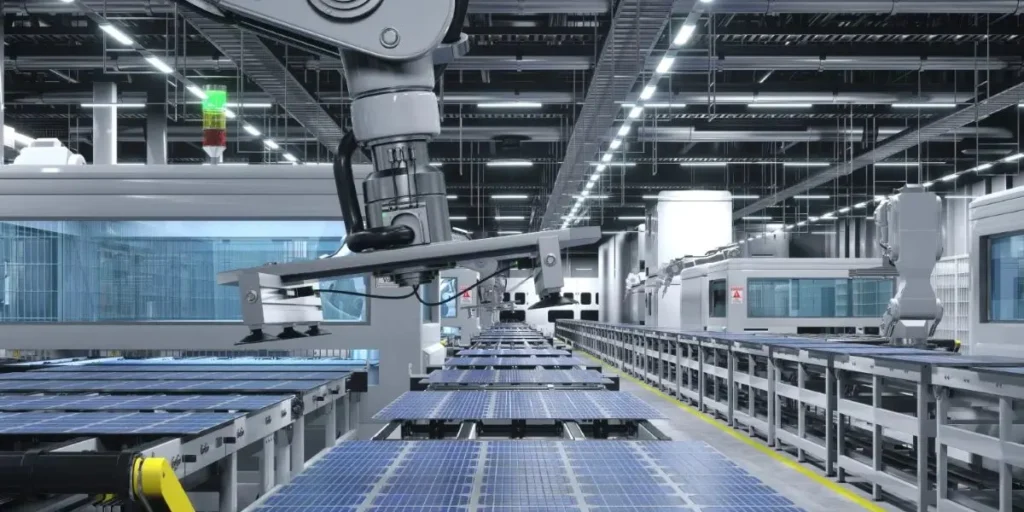
The Indian Government’s solar installation target of 500 GW by 2030 is driving a manufacturing boom in the production of panels, inverters, mounting structures and cables. Technologically achievable for mid scale manufacturers, solar panel assembly (lamination of cells, fitting of frames and soldering of junctions) is eligible for PLI incentives valued at ₹4,500 crore under the government scheme. Indian manufacturers are at an advantage over the imports in government tenders due to the increasing domestic content aspect of the tender. This is considered one of the largest Manufacturing Business Ideas of this decade.
15. Electric Vehicle (EV) Component Manufacturing
| Parameter | Details |
| Category | Automotive / Future Tech |
| Investment Required | ₹1 Crore – ₹8 Crore |
| Raw Materials Needed | Aluminium castings, wiring harness, battery packs, motor parts |
| Machinery Cost | ₹60 Lakh – ₹5 Crore |
| Skill Level | Very High |
| Monthly Revenue (Est.) | ₹20 Lakh – ₹2 Crore |
| ROI Timeline | 36–60 months |
| Govt. Scheme | PLI for Auto, FAME-III, MSME Tech Fund |
| Market Demand Level | Extremely High |
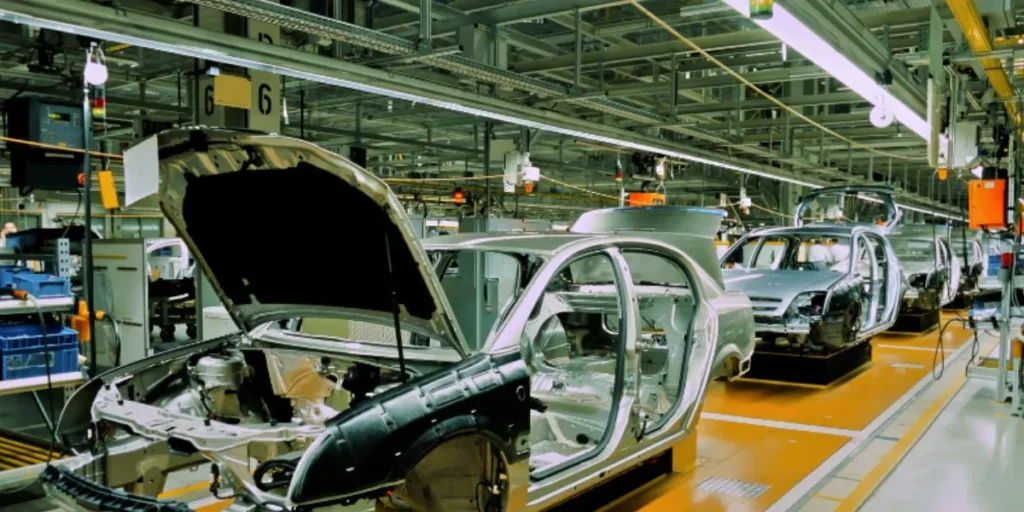
With EV sales in India expanding at more than 40% per year, EV companies such as Tata Motors, Ola Electric, are actively looking for domestic suppliers to lower costs and adhere to FAME localisation regulations. From battery pack assembly and motor windings to die-cast housings and wiring harnesses, EV component manufacturing has long-term supply deals with OEMs. This is the defining industrial change of our era and the manufacturers who build relationships now will have a deep impact for the next long time.
D) Food Processing Manufacturing Business Ideas
16. Namkeen and Snack Manufacturing
| Parameter | Details |
| Category | Food Processing / FMCG |
| Investment Required | ₹3 Lakh – ₹20 Lakh |
| Raw Materials Needed | Besan, spices, oils, rice flour, peanuts, salt |
| Machinery Cost | ₹2 Lakh – ₹12 Lakh |
| Skill Level | Low–Medium |
| Monthly Revenue (Est.) | ₹1.5 Lakh – ₹8 Lakh |
| ROI Timeline | 10–18 months |
| Govt. Scheme | PMEGP, Food Processing Ministry Schemes |
| Market Demand Level | Very High |
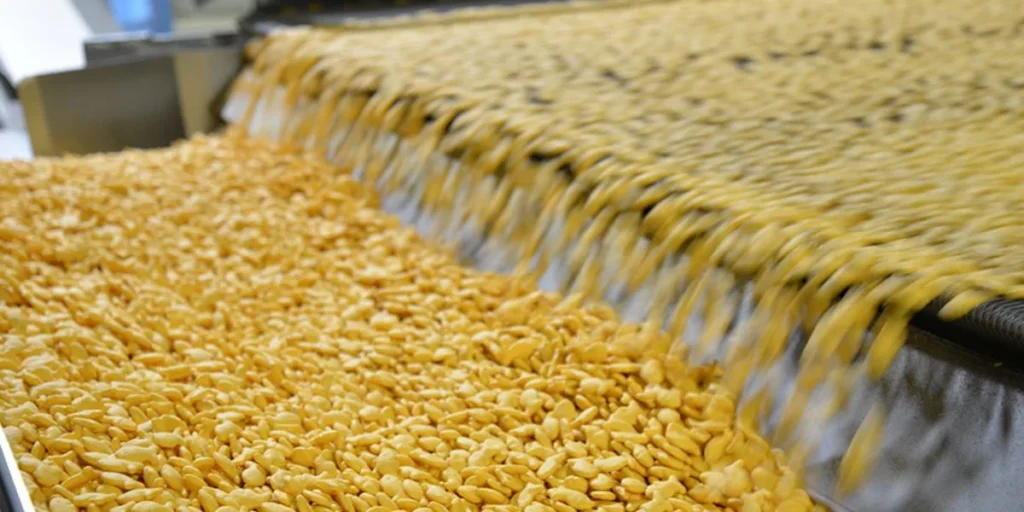
Namkeen and snacks manufacturing is one of the most easily accessible food sector Manufacturing Business in India with a market value exceeding ₹50,000 crore and expanding at 12-15% per year. There is a regular and constant demand for sev, bhujia, chakli, mixture and roasted peanuts throughout the year among all the income groups. FSSAI registration is compulsory and simple. Small brands recognise their region and use modern retail channels via distributors with regional flavours and good packaging. Private label supply to supermarkets is yet another high volume choice.
17. Fruit Pulp and Juice Manufacturing
| Parameter | Details |
| Category | Food Processing / Beverages |
| Investment Required | ₹5 Lakh – ₹40 Lakh |
| Raw Materials Needed | Fresh fruits (mango, guava, tomato), preservatives, packaging |
| Machinery Cost | ₹4 Lakh – ₹25 Lakh |
| Skill Level | Medium |
| Monthly Revenue (Est.) | ₹2 Lakh – ₹15 Lakh |
| ROI Timeline | 15–24 months |
| Govt. Scheme | PMFME, MoFPI Subsidy |
| Market Demand Level | High |
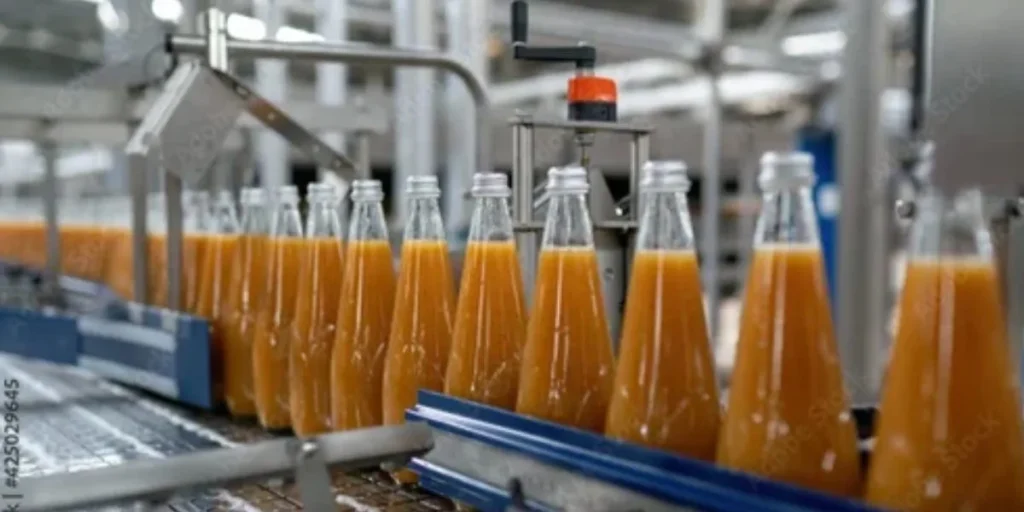
India is a country of more than 100 million of fruits production every year but, due to lack of processing infrastructure, the post-harvest losses are alarming. This gap is directly filled by fruit pulp and juice manufacturing and at the same time a business opportunity is created. Especially mango pulp is in huge demand for export to the Middle East, European countries and USA. A processing unit in Maharashtra, Andhra Pradesh or UP during peak seasons has dirt-cheap raw material. PMFME (PM Formalisation of Micro Food Enterprises) offers up to ₹10 lakh in capital subsidy.
18. Dairy Products Manufacturing (Paneer, Ghee, Flavoured Milk)
| Parameter | Details |
| Category | Dairy / Food Processing |
| Investment Required | ₹8 Lakh – ₹50 Lakh |
| Raw Materials Needed | Raw milk, cream, cultures, packaging |
| Machinery Cost | ₹5 Lakh – ₹30 Lakh |
| Skill Level | Medium |
| Monthly Revenue (Est.) | ₹3 Lakh – ₹20 Lakh |
| ROI Timeline | 18–28 months |
| Govt. Scheme | NDDB Dairy Plus, NHM, DEDS |
| Market Demand Level | Very High |
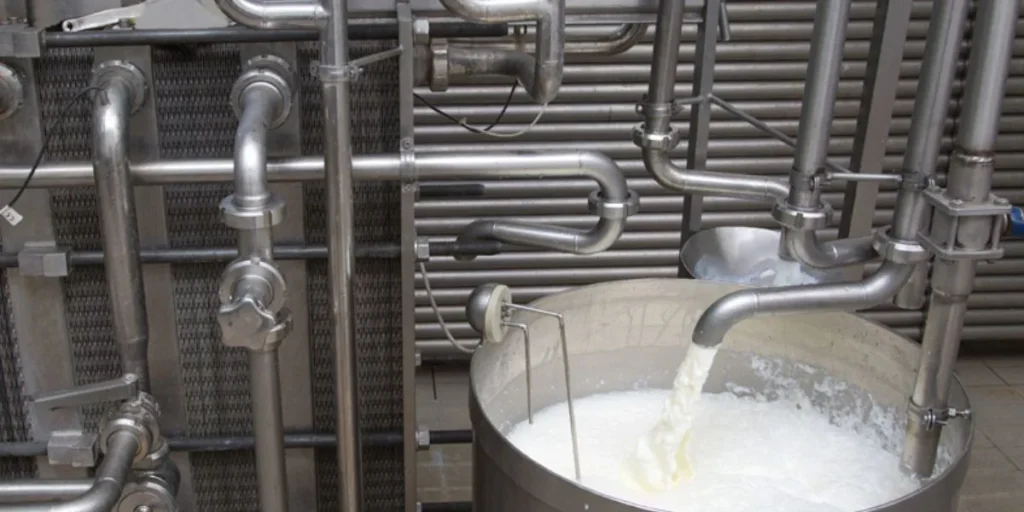
India is the largest milk producer and value added products such as paneer, flavoured milk, dahi and ghee have better margins than selling raw milk. A small dairy processing plant can take the milk of farmers in the surrounding area, process it every day, and then sell it to local sweet shops and restaurants, and retailers while being fresh, which large dairy brands can’t match. Food safety licences in both FSSAI and state are mandatory. The premium, natural ghee (also known as A2 ghee) has taken off online, and is sold at a price of ₹1500 to ₹3000 per kg.
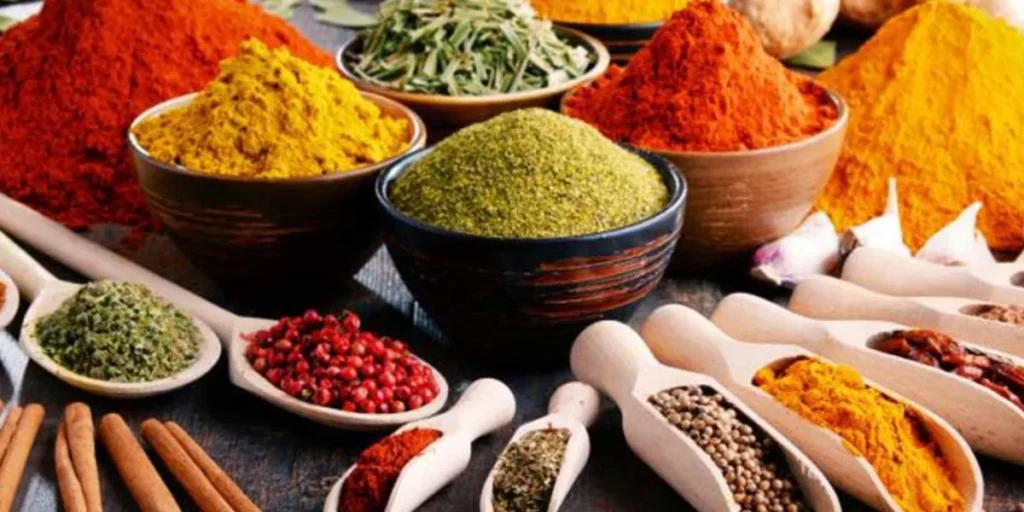
19. Masala and Spice Powder Manufacturing
| Parameter | Details |
| Category | Food Processing / Condiments |
| Investment Required | ₹2 Lakh – ₹15 Lakh |
| Raw Materials Needed | Whole spices (chili, coriander, turmeric, cumin), packaging |
| Machinery Cost | ₹1.5 Lakh – ₹8 Lakh |
| Skill Level | Low |
| Monthly Revenue (Est.) | ₹1 Lakh – ₹6 Lakh |
| ROI Timeline | 8–14 months |
| Govt. Scheme | PMEGP, Spices Board of India |
| Market Demand Level | Very High |
Spice powder manufacturing is a one of the most simple and profitable Manufacturing Business Ideas in the food industry. The Spices Board of India has been actively promoting training, linking up and promotion for small industries in India for export. The regional masalas (Chettinad, Punjabi, Hyderabadi) are hot on both domestic and NRI market. Key investments are in a good pulveriser (grinder), sieving machine and sealing machine. Through the Indian diaspora channel it is possible to export to the Middle East, US, UK and Canada, which will help to earn a good deal of amounts.
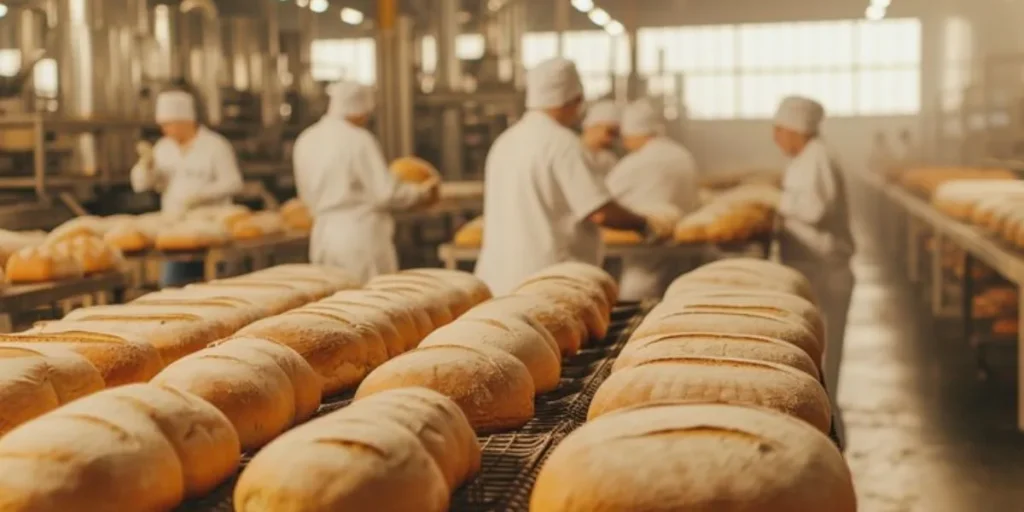
20. Bakery Products Manufacturing (Biscuits, Cookies, Rusk)
| Parameter | Details |
| Category | Food Processing / Bakery |
| Investment Required | ₹5 Lakh – ₹35 Lakh |
| Raw Materials Needed | Wheat flour, sugar, butter/vanaspati, baking powder, flavours |
| Machinery Cost | ₹3 Lakh – ₹20 Lakh |
| Skill Level | Medium |
| Monthly Revenue (Est.) | ₹2 Lakh – ₹12 Lakh |
| ROI Timeline | 14–22 months |
| Govt. Scheme | PMFME, PMEGP |
| Market Demand Level | Very High |
As urbanisation and the rise of tea-time snacks drive growth, the Indian bakery market is expected to surpass ₹12,000 crore in 2025. The biscuit, cookies and rusk making can be started as a small semi-automated bakery unit and can be expanded gradually. Multigrain, gluten-free and millet based biscuits are top pocket premiums and are increasingly popular with health-conscious consumers. There is a well established pattern of growing through local retail shops in 5-10 km around and then rolling out to the region. Branded biscuits have created a loyal local following via WhatsApp and Instagram.
E) Eco-Friendly & Sustainable Manufacturing Ideas for 2026
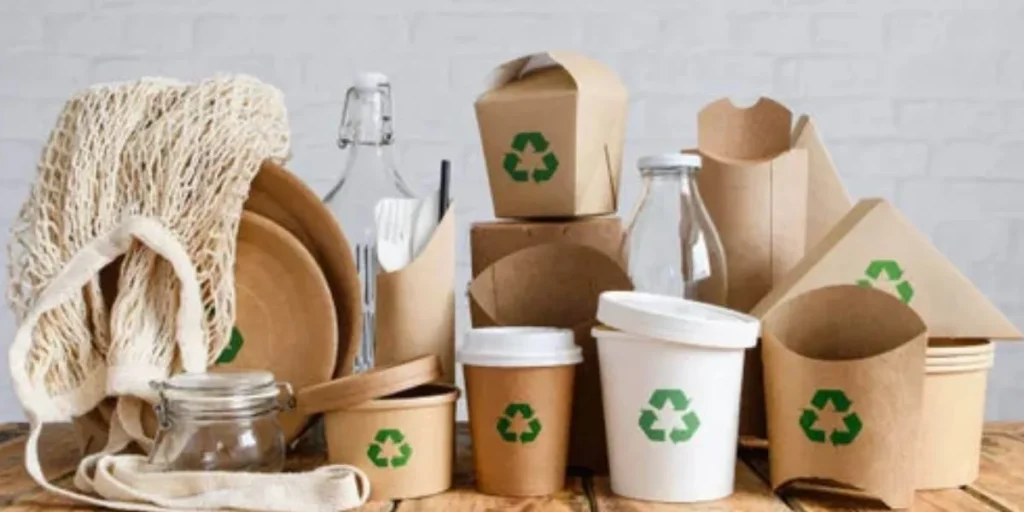
21. Biodegradable Packaging Manufacturing
| Parameter | Details |
| Category | Eco-Friendly / Packaging |
| Investment Required | ₹5 Lakh – ₹30 Lakh |
| Raw Materials Needed | Bagasse (sugarcane waste), areca leaf, cornstarch |
| Machinery Cost | ₹3 Lakh – ₹18 Lakh |
| Skill Level | Medium |
| Monthly Revenue (Est.) | ₹2 Lakh – ₹10 Lakh |
| ROI Timeline | 12–20 months |
| Govt. Scheme | Green India Fund, MSME Eco-Cluster |
| Market Demand Level | High and Rising |
More than 100 countries have enacted plastic restrictions, and biodegradable packaging is no longer a niche — it is the future of packaging in the world. The medium capital investment and producing products that sell 30-50% over the cost of similar plastic goods makes manufacturing plates, cups, containers from bagasse (sugarcane pulp) or areca leaves a viable option. In particular areca leaf plate production is increasing rapidly in South India with exports to Europe and Australia. This is one of the most future-proof Manufacturing Business of 2026 due to export demand, government support, and zero waste.
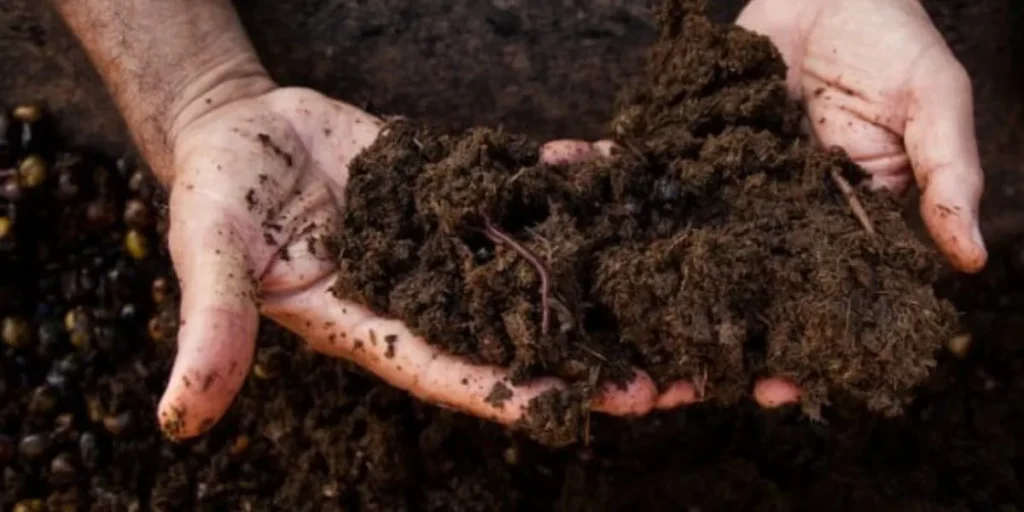
22. Organic Fertiliser and Compost Manufacturing
| Parameter | Details |
| Category | Agriculture / Sustainability |
| Investment Required | ₹2 Lakh – ₹15 Lakh |
| Raw Materials Needed | Agricultural waste, cow dung, kitchen waste, neem |
| Machinery Cost | ₹1.5 Lakh – ₹8 Lakh |
| Skill Level | Low–Medium |
| Monthly Revenue (Est.) | ₹80,000 – ₹4 Lakh |
| ROI Timeline | 10–18 months |
| Govt. Scheme | PM Kusum, PKVY, National Organic Farming Scheme |
| Market Demand Level | High |
With the increasing concern about soil health and the high cost of chemical fertilizers, the production of organic fertilizers has emerged as a truly profitable Manufacturing Business Idea, particularly in agricultural states. Vermicompost, bio-fertilisers (Rhizobium, Azotobacter), and neem cake based products are in demand by the organic farms, horticulture farmers, and agriculture departments of the government. Raw materials (agricultural waste, cow dung) are easily available or low cost. Must be registered under the Fertiliser Control Order (FCO). The collaboration with farmer producer organisations (FPOs) generates assured bulk buyers.
23. Recycled Paper and Stationery Manufacturing
| Parameter | Details |
| Category | Recycling / Eco-Friendly |
| Investment Required | ₹3 Lakh – ₹20 Lakh |
| Raw Materials Needed | Waste paper, recycled cardboard, binding materials |
| Machinery Cost | ₹2 Lakh – ₹12 Lakh |
| Skill Level | Medium |
| Monthly Revenue (Est.) | ₹1 Lakh – ₹6 Lakh |
| ROI Timeline | 12–18 months |
| Govt. Scheme | PMEGP, Green India Fund |
| Market Demand Level | Medium–High |
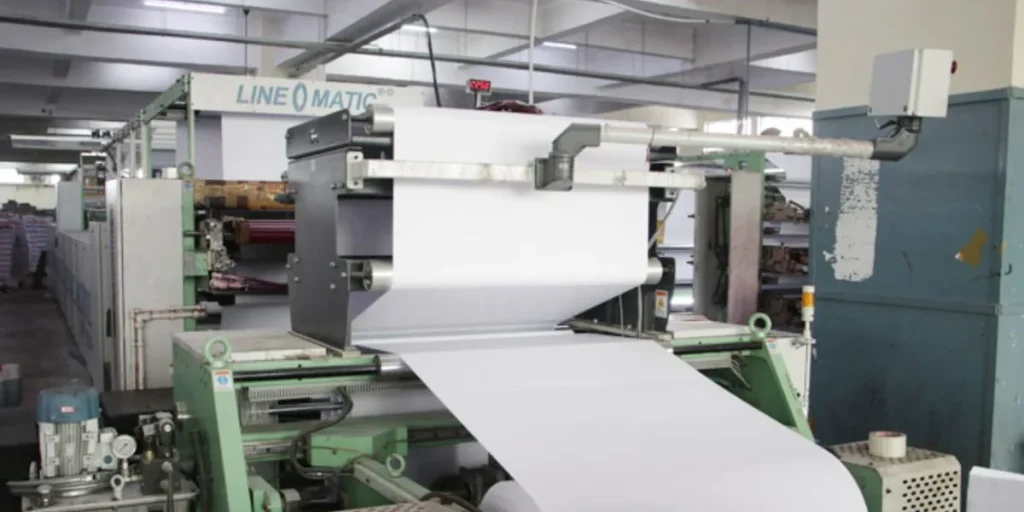
Recycled paper notebooks, diaries, envelopes and carry bags are provided in schools, corporates and NGOs that are committed to being sustainable. Office, printing press and packaging waste paper collections offer an extremely inexpensive raw material feed. The resulting products are sold as high quality eco-stationery at two to three times the cost of traditional options. Regularly, corporate gifting along with recycled paper products is a very rapidly developing market, which is particularly growing during the year end and Diwali gifting seasons when businesses are looking for environmentally friendly gifting.
24. Bamboo Products Manufacturing
| Parameter | Details |
| Category | Eco-Friendly / Lifestyle |
| Investment Required | ₹2 Lakh – ₹20 Lakh |
| Raw Materials Needed | Bamboo poles, bamboo strips, lacquer, dyes |
| Machinery Cost | ₹1.5 Lakh – ₹10 Lakh |
| Skill Level | Medium |
| Monthly Revenue (Est.) | ₹1 Lakh – ₹6 Lakh |
| ROI Timeline | 10–16 months |
| Govt. Scheme | National Bamboo Mission, TRIFED |
| Market Demand Level | High and Rising |
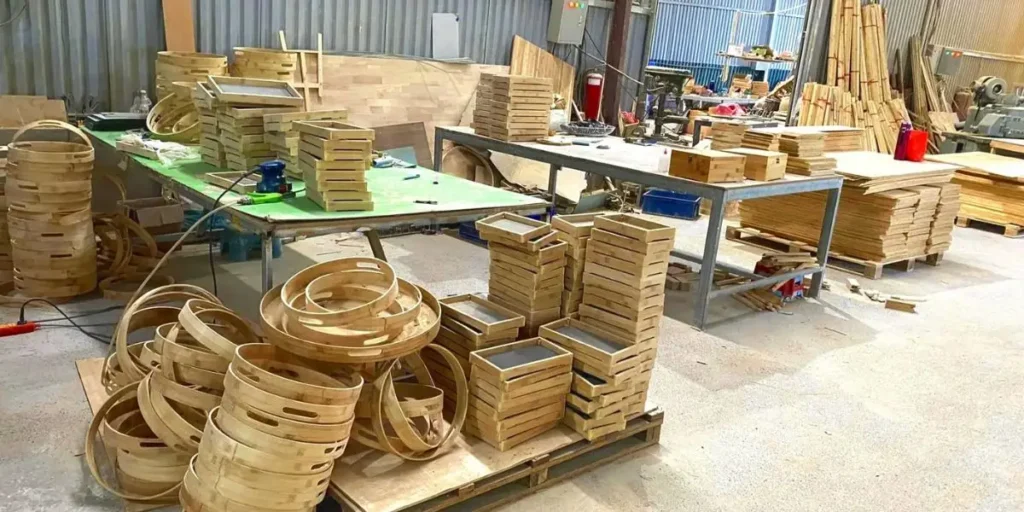
Bamboo is one of the fastest growing plants on earth and is a popular material for eco-conscious consumers around the world. The demand for bamboo toothbrushes, furniture, floor materials, kitchenware and handicrafts is high both at home and in the market. The National Bamboo Mission in India offers market linkage support and grants to the producers of bamboo products, especially the bamboo-rich Northeast states of the country. Amazon US and Etsy are just two international platforms where people are willing to seek out the bamboo products at higher prices because they know that they are supporting sustainable products.
25. Solar Dryer and Energy-Efficient Equipment Manufacturing

| Parameter | Details |
| Category | Renewable / Agri-Tech |
| Investment Required | ₹5 Lakh – ₹30 Lakh |
| Raw Materials Needed | Polycarbonate sheets, GI frames, fans, sensors, insulation |
| Machinery Cost | ₹3 Lakh – ₹15 Lakh |
| Skill Level | Medium–High |
| Monthly Revenue (Est.) | ₹2 Lakh – ₹10 Lakh |
| ROI Timeline | 14–22 months |
| Govt. Scheme | MNRE Solar Thermal, NHM |
| Market Demand Level | Growing Rapidly |
Solar dryers have been introduced to dry fruits, vegetables, spices, fish and medicinal herbs by utilizing sunlight, which has the potential to significantly cut down the post harvest losses for farmers. You are a manufacturer and provide solar dryers to farmer groups, food processing units and government programs. The design is modular and customisable. As the agriculture ministries in India have been pumping a lot of money into post-harvest infrastructure with solar power, this niche Manufacturing Business is right at the centre of two major sectors — solar power and food security — which are experiencing unprecedented funding in 2026.
Manufacturing Business Ideas Comparison: Investment vs ROI
| Business Idea | Investment | Monthly Revenue Potential | ROI Timeline |
| Agarbatti Manufacturing | ₹50K–₹1.5L | ₹40K–₹1.2L | 6–10 months |
| Paper Bag Manufacturing | ₹1L–₹3L | ₹60K–₹1.8L | 8–12 months |
| Candle Making | ₹50K–₹2L | ₹30K–₹1L | 6–9 months |
| Chalk Manufacturing | ₹1L–₹3L | ₹50K–₹1.5L | 10–14 months |
| Detergent Manufacturing | ₹1.5L–₹4L | ₹70K–₹2L | 8–12 months |
| PVC Pipe Manufacturing | ₹10L–₹35L | ₹3L–₹10L | 18–30 months |
| LED Bulb Assembly | ₹5L–₹20L | ₹2L–₹8L | 12–20 months |
| Furniture Manufacturing | ₹8L–₹40L | ₹3L–₹15L | 18–24 months |
| Herbal Products | ₹5L–₹30L | ₹2L–₹10L | 12–18 months |
| Garment Manufacturing | ₹10L–₹50L | ₹4L–₹20L | 18–30 months |
| Steel Fabrication | ₹50L–₹3Cr | ₹15L–₹80L | 24–40 months |
| Pharma Manufacturing | ₹1Cr–₹5Cr | ₹25L–₹2Cr | 30–48 months |
| AAC Block Manufacturing | ₹50L–₹2Cr | ₹10L–₹50L | 24–36 months |
| Solar Panel Manufacturing | ₹1Cr–₹10Cr | ₹30L–₹3Cr | 30–48 months |
| EV Components | ₹1Cr–₹8Cr | ₹20L–₹2Cr | 36–60 months |
| Namkeen Manufacturing | ₹3L–₹20L | ₹1.5L–₹8L | 10–18 months |
| Fruit Pulp / Juice | ₹5L–₹40L | ₹2L–₹15L | 15–24 months |
| Dairy Products | ₹8L–₹50L | ₹3L–₹20L | 18–28 months |
| Masala Manufacturing | ₹2L–₹15L | ₹1L–₹6L | 8–14 months |
| Bakery Products | ₹5L–₹35L | ₹2L–₹12L | 14–22 months |
| Biodegradable Packaging | ₹5L–₹30L | ₹2L–₹10L | 12–20 months |
| Organic Fertiliser | ₹2L–₹15L | ₹80K–₹4L | 10–18 months |
| Recycled Paper Products | ₹3L–₹20L | ₹1L–₹6L | 12–18 months |
| Bamboo Products | ₹2L–₹20L | ₹1L–₹6L | 10–16 months |
| Solar Dryer Manufacturing | ₹5L–₹30L | ₹2L–₹10L | 14–22 months |
How to Start a Manufacturing Business in India (Step-by-Step)
- Complete the product and do market research: Learn about the demand, competition, pricing, and buyer profile in the desired geography before spending a single rupee.
- Elaborate on a business plan: Production capacity, list of machines, working capital requirement, revenue estimation and a 3 years financial forecast etc.
- Register your business: Select the entity (Sole Proprietorship, Partnership, LLP or Pvt. Ltd) and register with the Ministry of Corporate Affairs (MCA) or local registrar.
- Get MSME Udyam Registration: Register for free and avail government schemes, priority bank lending, and tender preferences.
- Obtain licences and clearances: Food businesses require FSSAI; chemical units pollution board consent; drugs CDSCO licences. Know in advance all applicable regulations.
- Securing funds: Obtain MUDRA/ PMEGP / bank term loans. Collateral documents and CMA (Credit Monitoring Arrangement) for loan applications.
- Lease or buy production space: situate close to the raw material sources and logistics hubs. Provide for industrial zoning, power and water.
- Buy machinery and establish production: Buy from Indian manufacturers (refer to SIDBI registered vendors) and never miss a factory demo before buying.
- Recruit and train workers: Bring costs down by hiring and training locally. Rely on NSDC/ITI trained talent, and conduct on-set safety training prior to shooting.
- Create packaging, branding, and distribution: Even B2B products must be good looking. Secure early trademark registration and establish partnerships with distributors, traders or e-commerce platforms.
- Start up, sell and track KPIs: monitor the efficiency of production, defect rate, receivable days and profit per unit on a monthly basis and optimize operations based on data.
Government Schemes for Manufacturing Businesses in India
- PMEGP (Prime Minister’s Employment Generation Programme): Capital subsidy of 15-35% of project cost up to ₹50 lakh for manufacturing units. Can be applied through KVIC / District Industries Centre.
- MUDRA Yojana: Provides collateral-free loans of three categories, Shishu (upto ₹50,000), Kishore (₹50,000-₹5 lakh), and Tarun (₹5-₹10 lakh), suitable for a startup in micro-manufacturing.
- PLI (Production Linked Incentive) Schemes: Schemes for 14 sectors covering electronics, textiles, food processing, solar, pharma, auto components, etc, where the incremental sales of products are eligible for 4–20% PLI incentive.
- Credit Linked Capital Subsidy Scheme (CLCSS): Provides a subsidy of 15% of the technology upgradation amount (up to ₹15 lakh) for small manufacturing units.
- PMFME (PM Formalisation of Micro Food Enterprises): For food processing units, up to ₹10 lakh capital subsidy and capacity building support.
- Stand-Up India: Offers bank loans ranging from ₹10 lakh to ₹1 crore for SC/ST entrepreneurs, women entrepreneurs in greenfield manufacturing companies.
- NSIC Raw Material Assistance: Assist small manufacturers to get raw materials in their favour rates through NSIC bulk purchasing network.
- GeM (Government e-Marketplace): Provides a 100% assured and high volume sales channel for various product categories for registered manufacturers to sell directly to the government departments.
Conclusion
Indian manufacturing is in the throes of its biggest revolution in decades. The government has introduced schemes to support entrepreneurs at all levels of investment, domestic consumption is on the rise, and new export avenues have also emerged, so 2026 is an ideal time to start your manufacturing business.
From low-investment Manufacturing Business Ideas such as agarbatti to paper bags, to going big with solar panels and EV components, the fundamentals are the same: do your research, start small, keep quality high, and expand as demand grows.The 25 suitable low-cost Business listed in this guide are legitimate and successful ideas. Choose the one that fits your budget, your abilities, and your location and take your first step today.
FAQs
Which manufacturing business is most profitable in India?
Some examples of industries that can be very profitable at scale include solar panel production, pharmaceutical manufacturing, and EV component production. In case of small investment, the margin of profit in the manufacture of herbal products, namkeen and masalas is very good (25-40%).
Which is a manufacturing business that can be started with ₹1 lakh?
For the manufacturing of Agarbatti, Chalk, Candle and Detergent powder, one can start with the investment of ₹1 lakh. All four are suitable for home or a small workshop where there is limited machinery use.
Could food processing be a successful manufacturing enterprise?
Yes — Food Processing is one of the most stable and scalable manufacturing sectors in India. Products such as spice powders, fruit pulp, namkeen and dairy products have steady incomes as they are being encouraged by PMFME subsidies, strong domestic demand, and increasing export potential.
What would be the top manufacturing ideas for low investment in 2026?
Some of the most profitable Manufacturing Business Ideas for 2026 that can be started with a minimum investment of ₹5 lakh are: Paper bag manufacturing (After the plastic ban period), Biodegradable packaging, Bamboo products, Organic fertiliser manufacturing, Agarbatti manufacturing.
How can I get a loan to start a manufacturing business in India?
Mudra loan (up to ₹10 lakh) can be applied in any scheduled banks or NBFC and is provided without any collateral. In case of a bigger amount, approach your nearest District Industries Centre for PMEGP or go directly to SIDBI, SBI or any nationalised banks with your business plan and Udyam Registration certificate.