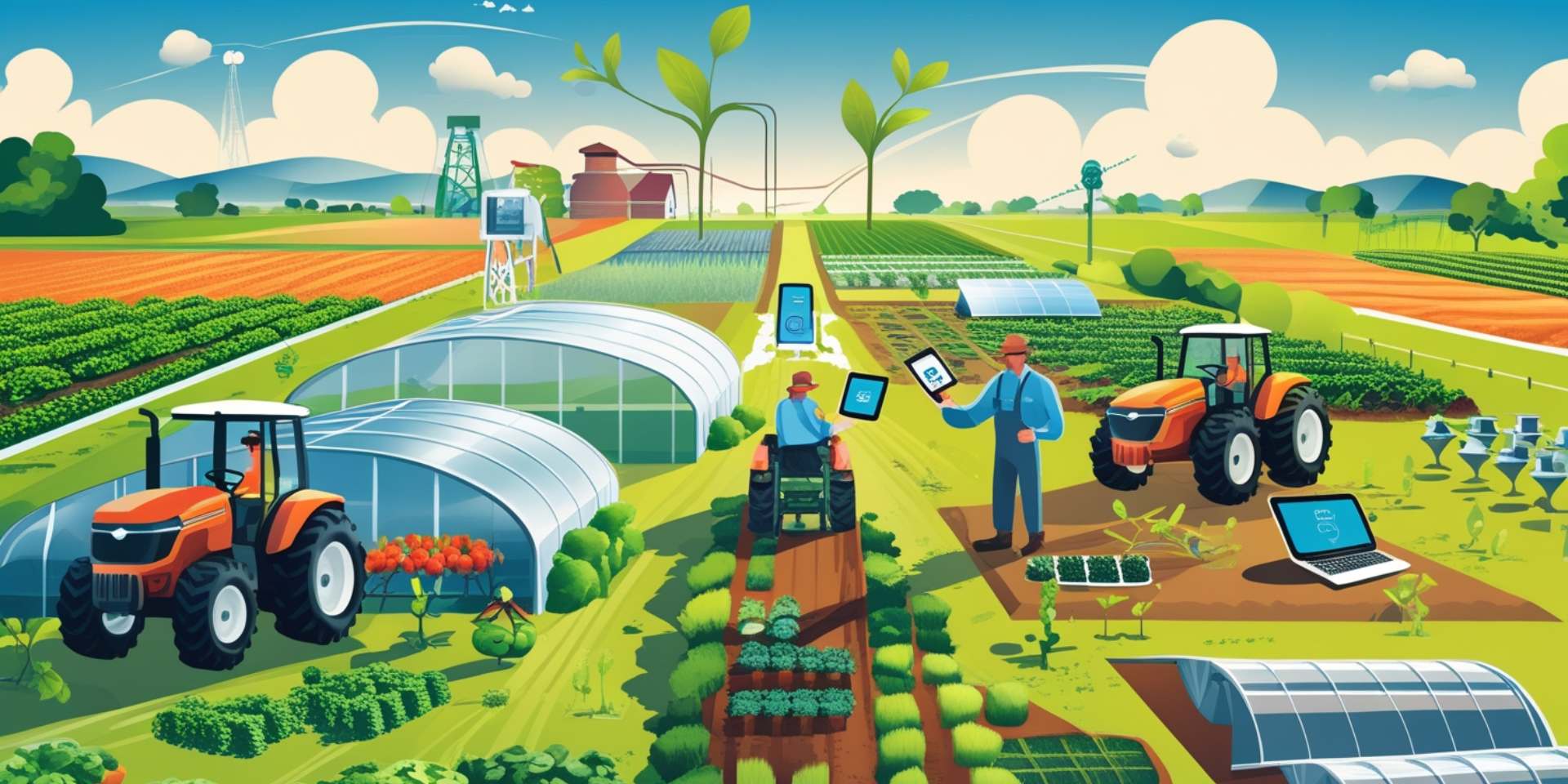
The Indian agricultural space has witnessed an unparalleled revolution, morphing itself into an incredibly high-profit, technology-driven entrepreneurial venture option. The agriculture sector in India is projected to account for more than 18% of the country’s GDP in 2026, on account of the increase in population, increased disposable incomes, and unprecedented growth in the global demand for certified organic food products. Also, the agri-tech segment in India is experiencing exponential growth and is forecast to grow to a maximum of $24 billion in terms of market value.
Such phenomenal growth has mainly been attributed to technological disruption, advanced supply chains, and an emerging consumer preference for high-end health products. In this article, we will comprehensively explore the top agriculture business ideas in India, detailed investment and profit metrics, crucial government subsidies, and the regulatory frameworks required to build a highly successful agribusiness enterprise.
Top Agriculture Business Ideas at a Glance
| S.No | Agriculture Business Idea | Initial Investment | Annual Profit Potential | ROI Potential | Payback Period | Scalability |
| 1 | Agriculture Farm Business | ₹2–20 Lakhs | ₹5–20 Lakhs | High | 2–4 Years | High |
| 2 | Dairy Farming | ₹3–15 Lakhs | ₹5–25 Lakhs | High | 2–3 Years | High |
| 3 | Poultry Farming | ₹2–10 Lakhs | ₹3–20 Lakhs | Very High | 1–2 Years | Very High |
| 4 | Goat/Sheep Farming | ₹2–8 Lakhs | ₹4–15 Lakhs | High | 2–3 Years | High |
| 5 | Beekeeping & Honey Production | ₹50,000–2 Lakhs | ₹2–10 Lakhs | Very High | 1–2 Years | Medium |
| 6 | Organic Farming | ₹3–10 Lakhs | ₹5–20 Lakhs | High | 2–3 Years | High |
| 7 | Specialty Vegetable Farming | ₹3–12 Lakhs | ₹6–30 Lakhs | Very High | 1–2 Years | Very High |
| 8 | Mushroom Cultivation | ₹1–5 Lakhs | ₹5–15 Lakhs | Very High | 6–12 Months | Very High |
| 9 | Medicinal Herbs Farming | ₹1–8 Lakhs | ₹4–20 Lakhs | High | 1–3 Years | High |
| 10 | Floriculture (Flower Farming) | ₹2–10 Lakhs | ₹4–25 Lakhs | High | 1–2 Years | High |
| 11 | Hydroponics / Vertical Farming | ₹8–25 Lakhs | ₹10–50 Lakhs | Very High | 2–4 Years | Very High |
| 12 | Aquaponics | ₹5–20 Lakhs | ₹10–40 Lakhs | High | 2–3 Years | High |
| 13 | Agri-Tech Solutions | ₹10–50 Lakhs | ₹15 Lakhs–₹1 Crore+ | Very High | 2–5 Years | Extremely High |
| 14 | Farm Product Export | ₹5–50 Lakhs | ₹20 Lakhs–₹5 Crores | Very High | 2–4 Years | Global |
| 15 | Online Grocery Portal for Local Farmers | ₹5–20 Lakhs | ₹10 Lakhs–₹1 Crore+ | Very High | 2–4 Years | Extremely High |
| 16 | Organic Fertilizer Production (Vermicompost) | ₹20,000–2 Lakhs | ₹5–20 Lakhs | Very High | 6–12 Months | High |
| 17 | Dry Flower Business | ₹10,000–1 Lakh | ₹3–15 Lakhs | Very High | 6–12 Months | Medium |
| 18 | Landscaping Services | ₹30,000–3 Lakhs | ₹5–30 Lakhs | Very High | 6–18 Months | High |
List of 18 Best Agriculture Business Ideas for 2026
Type 1: Traditional Yet Thriving Agriculture Business Ideas
1. Agriculture Farm Business

Running an agriculture farm is one of the world’s oldest but safest business models. From cultivating grains, vegetables, fruits, or cash crops like cotton and sugarcane, farming is the only profession that can still meet world food and industrial demands. With the introduction of sophisticated methods like drip irrigation, organic manures, and precision farming, even small farms can experience spectacular returns.
The growing trend towards organic fruits and vegetables also favors the farmers by giving them a competitive edge in domestic and international markets. Organic farming provides assurance of sustainable soil health in the long run, and with government schemes and subsidies to support farmers, the path to profit is smoother than ever. If you are a nature- and land-environmental enthusiast, this is one of the best Agriculture Business Ideas to pursue in India.
Profit Potential:
₹5 to ₹20 lakhs per year (depending upon crop selection, season, and market price).
Investment Requirements:
₹2 to ₹20 lakhs — soil preparation, seeds, fertilizers, machinery, and labor.
Key Steps to Get Started:
- Choose suitable crops based on soil and climate.
- Spend on high-quality seeds and green approaches.
- Keep yourself updated with the latest machinery and irrigation systems.
- Organize local supply chains with wholesalers and retailers.
- Opt for organic certification for higher prices.
Also Read:
2. Dairy Farming

Dairy farming is an old and seasonal business that provides a daily yield of milk and milk products like ghee, butter, paneer, and curd. With growing health awareness and demand for quality milk, rural and urban markets provide good opportunities. Dairy farms may be small or large based on budget and space availability.
India, the world’s top milk producer, is seeing its dairy industry grow at a 6.2% CAGR, projected to hit USD 400 billion by 2026. This growth is driven by rising urban demand for protein-rich foods, government initiatives, private sector innovation, and tech upgrades in dairy operations. Value-added products such as flavored milk and probiotic yogurt are in rising demand and carry significant margins. For investors considering sustainable Agriculture Business Ideas, dairy farming offers consistency and stable growth.
Profit Potential:
₹5 to ₹25 lakhs annually (based on the herd size and milk production).
Investment Requirements:
₹3 to ₹15 lakhs — for milch buffaloes/cows, feed, milking machines, and sheds.
Key Steps to Get Started:
- Choose high-yielding breeds of cattle.
- Arrange regular veterinary checks and balanced feeding.
- Organize a clean milking section.
- Organize contacts with nearby dairies and retailers.
- Approaching government subsidy schemes.
3. Poultry Farming
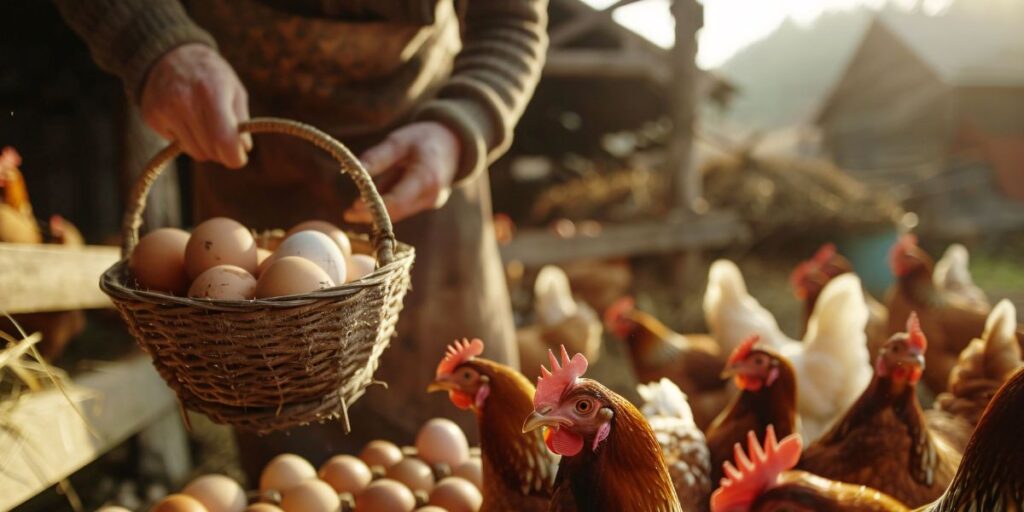
Poultry farming is all about raising birds like chickens, ducks, or quails for egg and meat production. With high-growing breeds and stable demand, poultry offers quick returns compared to other livestock businesses. It occupies less space, and high-tech climate-sheds further enhance production. The Indian poultry farming industry is projected to grow significantly, with a market size expected to reach INR 8,430 billion by 2033, growing at a CAGR of 12.60%.
This growth is driven by increasing demand for chicken and eggs, government support, and technological advancements in farming practices. Moreover, the increasing trend of antibiotic-free and organic poultry products is opening up opportunities for high-value online and offline markets. Poultry rearing’s compact length of production cycle implies rapid returns and low risk. If you’re scouting for reliable Agriculture Business Ideas with a shorter turnaround time, poultry farming is worth serious consideration.
Profit Potential:
₹3 to ₹20 lakhs annually (depending on flock size and product variety).
Investment Requirements:
₹2 to ₹10 lakhs — for chicks, feed, vaccines, and poultry housing.
Key Steps to Get Started:
- Choose breeds for meat or egg production purposes.
- Establish safe and sanitary enclosures.
- Follow strict biosecurity and vaccination practices.
- Develop close relationships with restaurants, retailers, and wholesalers.
- Pursue government poultry subsidies and training programs.
4. Goat/Sheep Farming
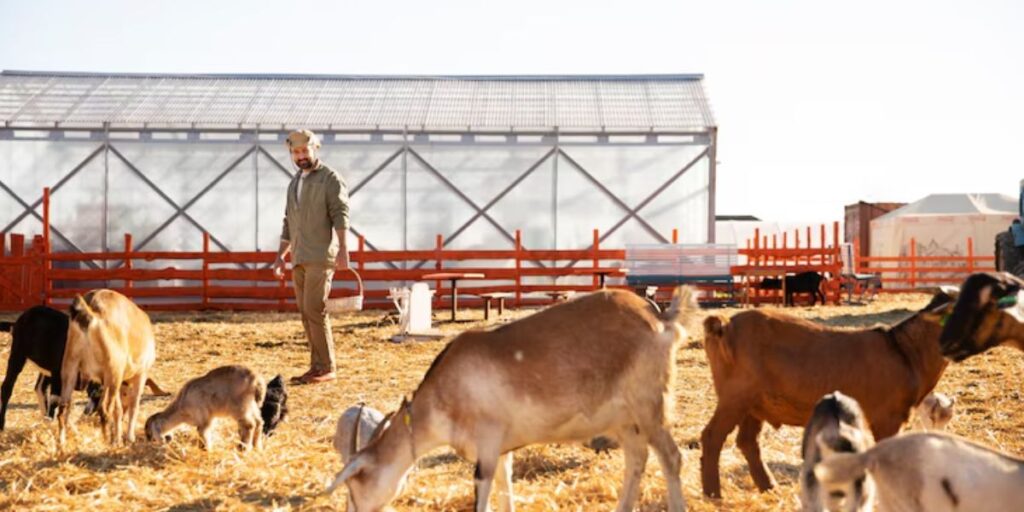
Goat and sheep farming is a growing business in the meat, milk, and wool industries and is considered one of the profitable agriculture business ideas in Kerala. Goats are hardy animals well suited to small-scale or large-scale farming in various climates. Their meat, milk, and by-products, such as skin and manure, are all marketable and highly sought after in local and foreign markets.
Sheep rearing is a further source of income from selling wool and meat, especially during holidays. The business is easy to diversify and perfect for rural entrepreneurs. The goat farming market is expected to grow at a 4.5% CAGR by 2027, while sheep meat production is forecasted to grow at 2.48% in 2024-2025, making it a promising venture. In one of today’s practical Agriculture Business Ideas, goat and sheep farming combines tradition and modern demand beautifully.
Profit Potential:
₹4 to ₹15 lakhs a year (based on breed and size of the business).
Investment Requirements:
₹2 to ₹ eight lakhs — for purchasing animals, erection of shed, feed, and vaccinations.
Key Steps to Get Started:
- Select healthy, high-yielding breeds.
- Construct a well-ventilated, predator-proof shed.
- Arrange proper feeding and medical care.
- Create sales channels with butchers, retailers, and wool mills.
- Make visits to fairs of livestock and local auctions to build up the herd.
5. Beekeeping and Honey Productio

Beekeeping is a low-cost, high-return agriculture business that produces honey, beeswax, and royal jelly. Considering the increased demand for medicinal bee products and organic honey, it is a highly profitable business for farmers and businessmen. Besides honey, bees facilitate pollination that helps naturally enhance surrounding farms’ yields.
With the Indian honey market projected to grow at a CAGR of 9.71%, driven by health-conscious consumers and the increasing preference for natural sweeteners, beekeeping has strong growth prospects. The government’s push for organic products and rising exports make this business even more lucrative. Beekeeping requires minimal space and is best suited even for cities. With India’s rising natural honey exports and allied products, this business holds strong international potential. Beekeeping is a sweet place to start if you’re exploring eco-friendly Agriculture Business Ideas with lower overhead.
Profit Potential:
₹2 to ₹10 lakhs annually (based on the number of bee colonies and market reach).
Investment Requirements:
₹50,000 to ₹2 lakhs — for bee boxes, protective gear, and basic training.
Key Steps to Get Started:
- Master beekeeping basics through workshops.
- Build bee colonies in a pesticide-free setting.
- Collect honey and other bee products safely.
- Package and sell to neighborhood stores, internet markets, and farmers’ markets.
Type 2: Money-Making Agriculture Business Ideas
6. Organic Farming
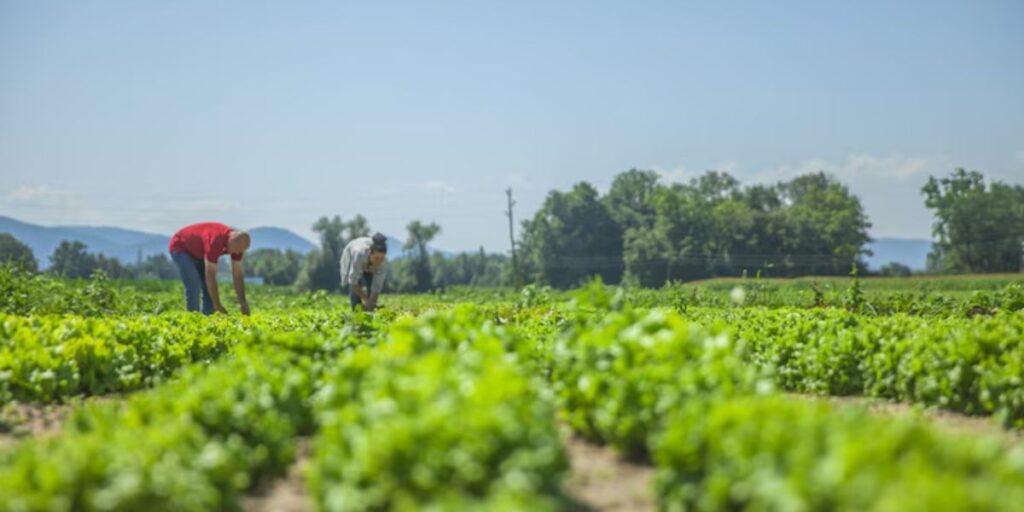
Organic farming is not a trend — it’s a lifestyle and a profitable business. Consumers in the world today are health-conscious and buy fruits, vegetables, grains, and pulses free of chemicals for their daily cooking. Organic farming does not involve the use of synthetic pesticides and fertilizers but employs the use of compost, biofertilizers, and natural pest control.
Organic produce fetches higher prices in local and export markets and contributes to soil health and long-term sustainability. Government certifications such as “India Organic” further boost credibility and profit. If you’re seeking eco-friendly and high-margin Agriculture Business Ideas, organic farming is an excellent option for beginners and seasoned farmers.
Profit Potential:
₹5 to ₹20 lakhs annually (varies by crop type and scale).
Investment Requirements:
₹3 to ₹10 lakhs — to purchase organic seeds, soil testing, composting, certification, and marketing.
Key Steps to Get Started:
- Get the soil tested and select suitable organic crops.
- Get organic pest and nutrient management techniques.
- Get online certification for a better market price.
- Partner with organic food stores, supermarkets, and farmer’s markets.
- Use online sites to sell your farm-to-table products.
7. Specialty Vegetable Farming

Specialty vegetable growing revolves around high-value, specialty produce like kale, zucchini, asparagus, bell peppers, broccoli, and specialty leafy greens. They are marketed to high-end restaurants, grocery stores, and export destinations. Specialty growing provides higher per-acre income than traditional vegetable production because of their premium prices.
The Indian exotic vegetables market, which includes varieties such as mushrooms, broccoli, and colored capsicum, is projected to grow at a compound annual growth rate (CAGR) of 11.45% from 2026 to 2033, increasing from USD 2.4 billion in 2024 to USD 6.7 billion by 2033. This growth presents significant opportunities for farmers engaging in specialty vegetable farming.
Highly sophisticated greenhouse production, hydroponics, and vertical farming can increase yields and reduce pest risks. Whether grown for gourmet restaurants or urban markets, these vegetables give modern farmers flexibility and decent returns. If you want to try innovative Agriculture Business Ideas catering to health-oriented urban consumers, specialty vegetable cultivation is suitable.
Profit Potential:
₹6 to ₹30 lakhs per annum (depending on variety, quality, and marketing).
Investment Requirements:
₹3 to ₹12 lakhs — for seeds, drip irrigation, greenhouses, fertilizers, and labor.
Key Steps to Get Started:
- Study the market demand for exotic and premium vegetables.
- Choose the proper cultivation method — hydroponic, soil, or greenhouse.
- Spend on quality seeds and learn the best practices for a consistent yield.
- Approach restaurants, hotels, and organic food centers.
- Explore export opportunities for additional returns.
8. Mushroom Cultivation

Mushroom cultivation is one of the most lucrative and space-saving agriculture businesses. Button, oyster, shiitake, and milky mushrooms require minimal land and are grown in a controlled environment like a shed or a grow bag. High protein and nutrient content and high demand from restaurants, health food outlets, and homes make mushrooms much coveted. A short production cycle (about 3-4 weeks) assures quick cash inflow compared to other agricultural ventures.
Additionally, mushrooms can be sold fresh, dried, or processed into sauces and powders, offering multiple income streams. If you’re considering low-space, high-return Agriculture Business Ideas, mushroom cultivation is a fantastic way to start.
Profit Potential:
₹5 to ₹15 lakhs annually (depending on the type and scale of production).
Investment Requirements:
₹1 to ₹ 5 lakhs — for mushroom spawn, grow bags, sheds, and humidity control equipment.
Key Steps to Get Started:
- Choose the type of mushroom suited to your climate and market.
- Learn substrate preparation and spawn inoculation methods.
- Supply temperature and humidity for maximum growth.
- Create distribution channels through restaurants, retail stores, and websites.
- Explore value-added products like powders and pickled mushrooms.
9. Medicinal Herbs Farming

Medicinal herb farming capitalizes on the growing trend of natural and herbal therapies in the global wellness market. Ayurvedic medicine, cosmetics, tea, and supplements use herbs like ashwagandha, tulsi, aloe vera, lemongrass, moringa, and Brahmi. These herbs require less space, less water, and superior resistance to pests and diseases.
Small and large-scale herb farmers can access both local and export customers, and the Indian herbal market is expected to grow steadily. This is one of the most promising Agriculture Business Ideas for those interested in integrating traditional farming with modern healthcare trends.
Profit Potential:
₹4 to ₹20 lakhs per annum (depending on the herbs and processing done).
Investment Requirements:
₹1 to ₹ 8 lakhs — for seeds or cuttings, irrigation, fertilizers, and initial processing infrastructure.
Key Steps to Get Started:
- Learn high-demand herbs in the local and international markets.
- Prepare well-drained soil and plan organic manures.
- Study proper harvesting and drying methods.
- Visit pharmaceutical industries, herbal brands, and wellness stores.
- Enquire about government schemes for medicinal plant cultivation.
ALSO READ: Ecommerce business Ideas
10. Floriculture (Flower Farming)

Flower farming, or floriculture, involves the production of flowers for bouquets, ornaments, religious needs, perfumes, and even cosmetics. Roses, marigolds, lilies, jasmine, and orchids maintain a steady demand throughout the year, especially around festivals, weddings, and holidays. Exportable high-value crops can also be produced, giving good revenue returns to farmers.
Polyhouses and greenhouses allow you to control the growing conditions for year-round production. This fragrant and colorful enterprise is not just profitable but also very fulfilling. If you wish to venture into colorful Agriculture Business Ideas that are full of creativity and business, floriculture is a flourishing venture waiting in the wings.
Profit Potential:
₹4 to ₹25 lakhs annually (based on flower variety and size).
Investment Requirements:
₹2 to ₹10 lakhs — for saplings/seeds, fertilizers, irrigation, and greenhouse frames.
Key Steps to Get Started:
- Choose flowering varieties according to local and export market demand.
- Set up a well-functioning irrigation and drainage system.
- Adopt organic pest control for healthier blooms.
- Network with event planners, bulk buyers, and florists.
- Research export licenses for overseas sales.
Type 3: Innovative Agriculture Business Ideas
11. Hydroponics/Vertical Farming
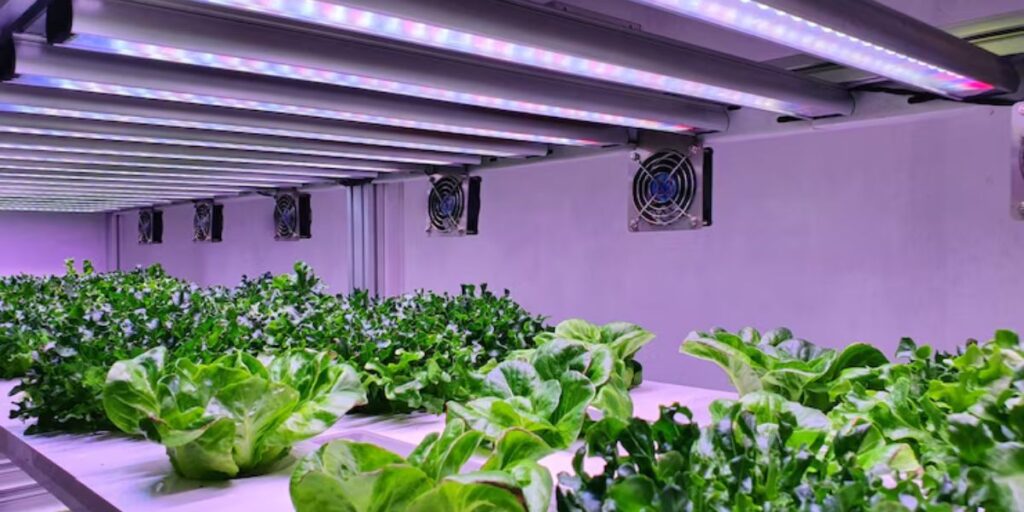
Hydroponics and vertical farming are innovative methods through which crops are grown without the use of soil, using water solutions containing nutrients in controlled environments. These systems employ tiered layers, allowing for cultivation of more with less space — perfect for inner cities where land is scarce but greens are at premium demand.
With less water used (up to 90% less than traditional farming) and year-round production, this method is causing waves across the globe. Metro cities in India already have success stories of hydroponic startups shipping farm-fresh, pesticide-free greens directly into cloud kitchen and restaurants. The model also conforms to green goals by reducing the carbon footprint and avoiding chemical-based fertilizers. For entrepreneurial visionaries who seek sustainable Agriculture Business Ideas, hydroponics and vertical farming are the future.
Profit Potential:
₹10 to ₹50 lakhs per year (depending on crop type and size).
Investment Requirements:
₹8 to ₹25 lakhs — for growing trays, LED lights, water pumps, climate control systems, and initial setup.
Key Steps to Get Started:
- Get trained in hydroponics systems and nutrient management.
- Choose high-demand crops like lettuce, herbs, spinach, or strawberries.
- Set up controlled environment farming infrastructure.
- Create alliances with grocery stores, cafes, and restaurants.
- Use social media for direct consumer sales of pesticide-free products.
12. Aquaponics
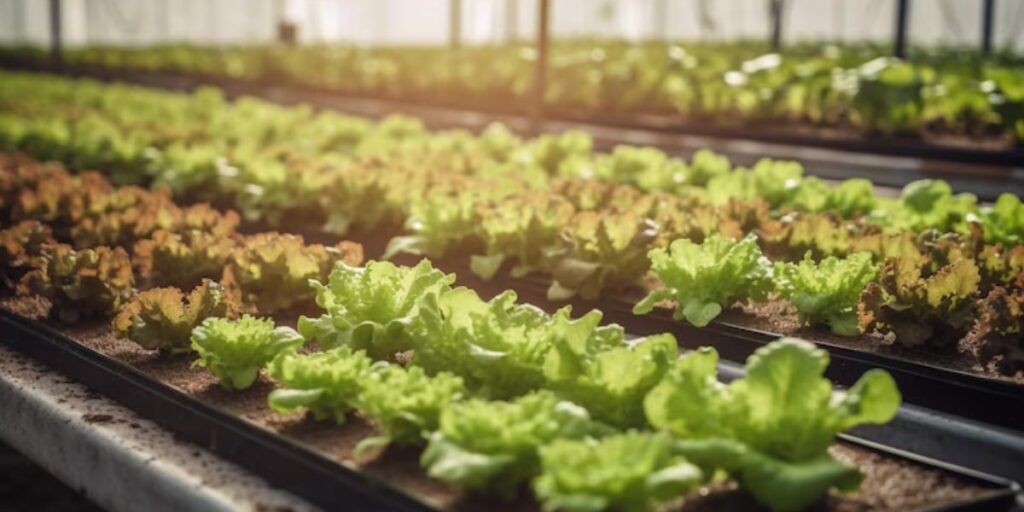
Aquaponics is a genius hybrid of fish farming (aquaculture) and hydroponics. Here, in the closed loop, fish waste acts as a natural fertilizer for plants, while plants purify the water for fish — and it’s both eco-friendly and resource-effective. This is a perfect model of business for urban farmers or anyone with limited but big dreams.
Aquaponics yields edible fish (such as tilapia) and fresh greens, with two income streams. In addition to commercial revenues, aquaponics is an excellent educational and tourism venture since most urban cafes and schools adore visiting or ordering from these green farms. As sustainable farming methods become popular, Aquaponics is emerging as one of the most popular Agriculture Business Ideas for future-proof agriculture.
Profit Potential:
₹10 to ₹40 lakhs annually (based on fish type, crop selection, and scale).
Investment Requirements:
₹5 to ₹20 lakhs — for fish tanks, water pumps, grow beds, and climate systems.
Key Steps to Get Started:
- Acquire professional training in fish maintenance and aquaponic cycle management.
- Choose suitable ratios of fish and plant types according to your climate.
- Install tanks, filtration, and grow beds for an efficient process.
- Sell vegetables and fruits to local markets, restaurants, or distributors.
- Farm tours and workshops as a secondary source of income.
13. Agri-Tech Solutions

The future of farming is now digital! Agri-tech firms offer services like monitoring soil health, crop advisory, weather forecasting, crop management through drones, and yield prediction through artificial intelligence. Such solutions help conventional farmers boost productivity at lower costs.
With precision farming taking the spotlight, entrepreneurs are developing apps, IoT-based devices, and data platforms that are revolutionizing the game for traditional agriculture and transforming it into a high-tech profession.
Profit Potential:
₹15 to ₹1 crore+ per annum (depending on the service model — SaaS, subscription, or point sale).
Investment Requirements:
₹10 to ₹50 lakhs — to create apps, establish hardware, market, and license.
Key Steps to Get Started:
- Find loopholes in current farm processes that technology can address.
- Develop software or hardware to increase productivity or save money.
- Pilot test in small farms to test your solution.
- Partner with local governments, banks, or cooperatives.
- Offer tiered prices and after-sales support to generate loyalty.
14. Farm Product Export

India’s diverse climate and rich soil present unlimited export opportunities for such produce as spices, basmati rice, organic tea, medicinal herbs, and specialty fruits. Farm export firms serve as a go-between for local farmers and overseas buyers, offering the opportunity to negotiate premium prices and foreign exchange revenues.
Exporting is quality control, certification, and familiarity with demand overseas — but the payoff is well worth it. Overseas demand for Indian organically and ethically grown produce is increasing, and tapping this market can put your business on the global map. For those who want to scale up big, farm export is one of the most profitable Agriculture Business Ideas for wealth generation and international partnerships.
Profit Potential:
₹20 lakhs to ₹5 crores per annum (depending on products, countries, and order quantity).
Investment Requirements:
₹5 to ₹50 lakhs — storage, logistics, certifications (FSSAI, APEDA), and promotion.
Key Steps to Get Started:
- Identify exportable crops like spices, organic fruits, and cereals.
- Acquire appropriate export approvals and licenses.
- Establish strong relations with solid processors and stable farmers.
- Get united with freight agents and forwarders.
- Foreign agri-trade shows to secure buyers.
15. Online Grocery Portal for Local Farmers

Web-based grocery portal establishes a direct linkage of city customers and local farmers, bypassing the intermediaries and selling farm-fresh foods at reasonable costs. Farmers earn greater revenues, and the consumer enjoys fresh food devoid of chemicals — a concept where all benefit. You can allow farmers to list their produce through a website or mobile app, and handle orders, payments, and delivery schedules.
This approach promotes not only local businesses but also community trust and loyalty since people prefer knowing where their food comes from. As people move towards healthier lifestyles and local buying, this platform-based approach is proving to be a top player among future-proof Agriculture Business Ideas.
Profit Potential:
₹10 lakhs to ₹1 crore+ annually (depending on size and geographic coverage).
Investment Requirements:
₹5 to ₹20 lakhs — for an app or website creation, logistics partnerships, and marketing.
Key Steps to Get Started:
- Observe local farmers’ output and urban demand.
- Create a user-friendly eCommerce website or mobile application.
- Partner with reliable delivery agencies for last-mile delivery.
- Offer subscription options for frequent sales.
- Market the platform via social media and SEO.
Type 4: Agriculture Business Ideas with Low Investment
16. Organic Fertilizer Production (Vermicompost)

Production of organic fertilizers through vermicomposting is one of the easiest and most eco-friendly Agriculture Business Ideas. Earthworms in vermicomposting convert cow dung, kitchen waste, and dry leaves into extremely fertile compost that enhances the fertility of the soil. Thanks to growing demands for chemical-free agriculture, organic manure is now a standard input for commercial growers and home gardeners as well.
This business can be started from the garden or a small piece of land in your backyard with minimal space and almost zero raw material cost, as waste is readily available. The organic fertilizer market is growing, particularly with increasing environmental consciousness and governmental encouragement to organic cultivation. If you are looking for a sustainable business with minimal risk, the production of vermicompost is an excellent option.
Profit Potential:
₹5 to ₹20 lakhs a year based on size and client base.
Investment Requirements:
₹20,000 to ₹ 2 lakhs — in earthworms, compost beds, initial packaging, and promotions.
Key Steps to Get Started:
- Learn vermicomposting basics through training sessions or courses online.
- Design compost beds and source local organic waste.
- Deal with value-added earthworm strains like Eisenia fetida (red wigglers).
- Package your compost attractively and sell it to nurseries, farmers, and via e-commerce.
- Sell through social media and local farm cooperatives.
17. Dry Flower Business

Dry flowers find application in decoration, gifting, and even handmade creations. Dry Flower Enterprise is a unique and affordable Agriculture Business Idea suitable for small entrepreneurs or even passionate hobbyists. The procedure involves drying farm fresh flowers like roses, lavender, marigolds, and sunflowers and retailing them to decorators, event planners, and gift shops.
This enterprise not only minimizes wastage by utilizing the flowers that go to waste anyway but also offers flexibility in package and design. Global demand for green decorative items is growing, especially from event organizers and companies manufacturing business ideas in India eco-friendly products.
With minimum maintenance and seasonal risk, this is a thriving small enterprise that can be made very large.
Profit Potential:
₹3 to ₹15 lakhs annually (depending on scale and variety of product).
Investment Requirements:
₹10,000 to ₹1 lakh — for drying machinery (or natural drying setups), packaging, and freight.
Key Steps to Get Started:
- Choose good drying quality flowers and colorful ones.
- Learn various dry methods like air drying or press drying.
- Create catalogs for decorative and gift marketplaces.
- Partner with in-town event planners, florists, and crafts stores.
- Sell on online marketplaces like Etsy or Instagram.
18. Landscaping Services

Landscaping is merely developing, planting, and caring for the grass on private, commercial, and public properties. As increasingly more individuals become educated about living green, wonderful and eco-friendly gardens are the latest fad. Landscaping not only makes things look better — it adds value to property, boosts mental health, and enhances biodiversity.
If you like plants, design, and being outdoors, landscaping is one of the smartest Agriculture Business Ideas requiring low investment but high creative satisfaction. You can start with straightforward services like lawn maintenance and garden landscape and later graduate to full-scale projects with water features, lights, and indigenous plant installations.
Profit Potential:
₹5 to ₹30 lakhs per year (dependent on client list and project scale).
Investment Requirements:
₹30,000 to ₹3 lakhs — to cover transport costs, marketing literature, and equipment.
Key Steps to Get Started:
- Study basic landscaping design principles and plant care.
- Offer services like garden design, lawn care, and maintenance packages.
- Build a portfolio with photographs of completed work.
- Establish contacts with local businesspersons, architects, and property agents.
- Use social media like Instagram to show your work and obtain new clients.
Best Agriculture Businesses in Various States
1. Kinnow and Citrus Fruits Washing Unit (Punjab & Haryana)
Establishing a specialized washing, grading, waxing, and cold pressed juicing plant for citrus fruits takes advantage of the abundant bumper crop harvests occurring in Punjab and Haryana. Such processing would prevent distress selling of fruits by farmers while maintaining stable supplies to markets through the concentrated pulp formation process. Further, the waste by-product skin can be used to make valuable cattle feed or used as input for essential oils, making this a highly profitable venture.
- Investment Needed: ₹10 Lakhs – ₹22 Lakhs for commercial washing, waxing, and packaging assembly line.
- Profit Potential: 18% – 28%, based on the superior supply chain of quality fruits to national supermarket chains.
2. Alphonso Mango & Cashew Processing Unit (Maharashtra & Goa)
Setting up dedicated value-added production facilities for canning premium mango pulps, purees, as well as roasting and flavoring cashews and packing into vacuum-sealed bags taps into the premium nature of the region-specific fruits. Having an immense amount of brand value attached to these particular fruits makes it possible for processors to sell into premium gift and confectionary industries. Mechanized peeling and slicing units guarantee hygienic standards which are essential in passing strict export screenings.
- Investment Needed: ₹15 Lakhs – ₹30 Lakhs for industrial grade canning lines and automated peeling-roasting ovens.
- Profit Potential: 25% – 35% due to brand value and export demand.
3. Tea Blending & Coir Fiber Manufacturing Unit (Assam & Kerala)
Setting up boutique tea blending units in the North East or coir fiber processing units along the Southern coast takes advantage of their natural abundance of raw materials. Speciality tea blenders would procure premium loose leaves directly from estate owners to blend exotic flavors of herbal, green, or spiced teas which fetch high prices in the market. Meanwhile, coir fibers obtained after processing raw coconut husks can be made into valuable geo-textiles, coco-peat, and mats for export.
- Investment Needed: ₹7 Lakhs – ₹18 Lakhs for heavy duty coir fibers extraction or industrial tea processing units.
- Profit Potential: 20% – 35% based on continuous availability of raw materials throughout the year.
4. Potato Cold Room & Chips Unit (Uttar Pradesh & West Bengal)
Constructing localized cold room storage facilities and small-scale automated potato chips and French fries processing units leverages the enormous quantities produced in the region. Entrepreneurs would be able to lease spaces within these cold rooms for farmers wanting to store potatoes till the prices increase. In addition, the value-added product formation by converting potatoes to ready-to-eat chips brings in significant profit margins due to the high starch content of potatoes.
- Investment Needed: ₹20 Lakhs – ₹50 Lakhs for cold room insulation and automated continuous potato wafers.
- Profit Potential: 15% – 30%, based on the ability to convert low-priced seasonal gluts to high-value snacks.
5. Saffron & Temperate Fruits Grading & Packaging (J&K and Himachal)
Creating premium packing, grading, and distribution centers for authentic saffron, walnuts, and high-density apples offers phenomenal luxury pricing across the country. The use of Modified Atmosphere Packaging (MAP) technique would preserve the freshness and moisture levels of temperate fruits making transportation to distant South-Western regions feasible. Given that these premium commodities are limited to the Himalayan foothills, running an efficient supply chain system provides immense advantages.
- Investment Needed: ₹6 Lakhs – ₹15 Lakhs for MAP machinery and grading units.
- Profit Potential: 30% – 50% given the exclusive premium nature of these products.
Essential Steps to Starting Your Agriculture Business
Increasing demand for fresh, environmentally friendly goods and farm services makes starting an Agriculture Business a profitable venture. The following is a simplified, step-by-step instruction to get you started with a company if you are prepared to go into traditional agriculture, alternative farming methods, or agriculture technologies:
Conduct Market Research
Start with market research to know demand, competition, and possible pitfalls. Knowing what items are in demand, such as organic vegetables or chicken, is key to success. Knowing consumer trends and market gaps will guide your business strategies.
Select the Appropriate Agriculture Business Idea
Pick a business idea that fits market demand, your means, and your passions. Whether it’s organic farming, poultry, or hydroponics, ensure the idea is consistent with present trends and expandable. Select traditional or modern agriculture based on resource level.
Develop a Business Plan
A business plan sets out your vision, mission, and operating practices. It will need to encompass financial projections, logistics, marketing, and the way you expect to develop. A good business plan can be a map to follow and will help you attract capital.
Secure Capital and Resources
Secure the finances required to establish your company. Government grants, bank loans, or investors could be a solid choice. Furthermore, starting your enterprise will call for labor, land, equipment, and material.
Compliance with Law and Regulation
Find out your local legal requirements—permits, licenses, and health standards. Ensure your agricultural company is compliant with local laws in order to evade penalizing actions and enjoy trouble-free operations.
Supplier-Partner Relationship
Establish close connections with genuine providers of material like seeds, fertilizers, or equipment. Creating networks with service firms or neighborhood cooperatives may make your company affordable and good quality.
Emphasize Marketing and Branding
The means of getting clientele is a well thought out marketing strategy. Build your brand using a website, social media, and ties with neighboring companies. Offering deals or joining farmers’ markets will also help to create buzz.
Technology Investment
Productivity and profitability increase with technology. To help production become more logical and lower expenses, spend on items including farm management software, crop surveying drones, and automatic irrigation systems.
Develop a Growth Plan
Once launched, concentrate on expanding your company. Increasing items or entering into fresh markets can drive expansion. Stay current with industry developments and employ eco-friendly policies meant to attract green buyers.
Key Licenses Required
Agricultural startups require various licenses for being able to operate their businesses effectively. The below-mentioned registrations provide legal authority to enterprises engaging in food processing.
- FSSAI License: Mandatory food safety registration which must be done for food processing, dairy, and packaging ventures.
- Udyam Registration: Official government certification which makes startups eligible for MSME benefits.
- Organic Certification: Mandatory certificate for marketing products as organics from NPOP or Jaivik Bharat programs.
- Trade License: Basic license issued from municipalities or gram panchayats for business premises.
- Pollution NOC: Non-negotiable clearance from State Pollution Control Boards for livestock or processing facilities.
Government Subsidies & Loans for Agriculture Business in India
The Indian government promotes agri-business ventures in a big way by introducing various financial incentive programs aimed at reducing the capital burden and boosting employment in the rural areas. Some schemes and loans offered are as follows:
Schemes for Dairy Entrepreneurs
For the purpose of accelerating rural credit infrastructure and development, the National Bank for Agriculture and Rural Development introduces structured fiscal incentives across diverse industries. Such credit-linked schemes include:
- Dairy Enterprise: The government offers a lucrative 25% capital subsidy for general applicants and up to 33.33% for SC/ST entrepreneurs for building modern dairy units.
- Cold Storage Plant: For constructing necessary post-harvest storage units, the scheme offers financial aid worth 35%-50% of the overall project cost.
- Poultry Farm: To construct highly advanced, bio-secure poultry breeding farms, up to 25% of the total capital subsidy can be obtained by entrepreneurs.
- Organic Farm Inputs: Financial assistance worth up to 70% of the total project cost helps set up commercial bio-fertilizer and fruit enrichment composting units in rural areas.
- Agricultural Clinics Subsidies: It provides a 36% to 44% subsidy package for unemployed agricultural graduates to set up a private farm consultancy network.
PM Formalization of Micro Food Processing Scheme
As part of its aggressive promotion of unorganized micro-enterprise initiatives, the Ministry of Food Processing Industries provides excellent technical, financial, and business support services. Multi-layered benefits provided under this program are:
- Capital Subsidy: Micro-agricultural entrepreneurs benefit from a 35% capital subsidy cap at ₹10 Lakhs for each processing unit.
- Seed Capital: Self-help groups receive ₹40,000 for each group member to set up working capital and buy basic tools for the project.
- Common Infrastructure: For building processing units, cold chains, and packaging laboratories, the scheme offers financial assistance of up to 35% of the total cost.
- Branding Support: Marketing efforts for the products, including standardizing and branding costs, get up to 50% of the total budget covered.
- Capacity Building: Entrepreneurs receive access to digital training courses on food safety, quality control, and exporting standards.
How to Apply for Kisan Credit Card
Cost-effective and seamless working capital financing is easily available via the highly subsidized Kisan Credit Card system. The key features and processes for applying for this credit card are as follows:
- Interest Subvention: Under this scheme, borrowers receive highly subsidized interest rates as low as 4% as long as loans are repaid on time.
- Collateral-Free Loan: Financial institutions give farmers hassle-free credit limits as high as ₹1.6 Lakhs without any collaterals.
- Flexibility in Repayment: Loan repayment periods synchronize perfectly with the harvesting period for crops and marketing activities.
- Allied Ventures Included: The scope also extends to animal husbandry and aqua-farming projects along with agricultural crops.
- Digital Application Process: Eligible applicants can apply online via the PM-Kisan app or visit local rural banks.
Conclusion
The agriculture industry offers immense opportunities for entrepreneurs wishing to establish a successful business. From conventional farming to cutting-edge tech-based solutions, there are many Agriculture Business Ideas to choose from. No matter whether you choose to venture into organic farming, hydroponics, or poultry rearing, the formula for success is extensive research, strategy planning, and determination to go green.
As there is a growing demand for fresh produce of fruits and vegetables across the globe, green practices, and technology-enabled avenues, it’s an excellent time to foray into the agricultural business. By following the key steps and focusing on market demand and innovation, you are able to develop a successful farm business that will work for your business as well as society.
Read More: Business ideas in Bihar
FAQs
Which agriculture business is most profitable in India?
With regards to sheer profitability and high percentage of returns on investment, Mushroom Cultivation, Vermicomposting, and Farming Aromatic or Medicinal Plants come out clearly on top with profit margins often breaching 40%.
How much investment is required for an agriculture business?
The amount of capital required depends greatly on the type of agriculture business, spanning from ₹10,000 in case of backyard Vermicomposting or Apiculture operations to over ₹50 Lakhs for fully automated Greenhouse farms and Cold Storage Systems.
Are there any government subsidies for setting up agriculture business in India?
The Government of India provides massive capital subsidies from 25%-35% to food processing and cold storage units through PMFME and MoFPI programs, along with massive subsidies from 50%-80% to advanced agricultural machinery purchases.
Is Organic farming profitable in India?
Yes, Organic farming is incredibly profitable as consumers are ready to pay 20%-40% extra for healthy organic produce in today’s world. Profit margin only increases further if you choose the D2C business model through app services, or enter into the export business of Organic Spices/Pulses which fetch huge profits.
Can I start an Agriculture Business without having any arable land?
Yes, you can set up many profitable agriculture businesses even without owning any piece of land at all simply by switching to modern vertical farming techniques. Profitable agriculture enterprises such as Hydroponics, Mushroom Cultivation, Indoor Vertical Farming, and Beekeeping are easily possible without any arable farmland using leased urban buildings, roofs, and concrete structures.