The export industry of India is experiencing historic growth, and this is generating limitless opportunities to entrepreneurs, women entrepreneurs, and small-scale exporters. As the world market moves towards organic, handcrafted, and eco-friendly products, Indian exporters are in their best position to exploit this market. The best part about the export business ideas is that they are diverse spices and textiles, herbal products, and handicrafts; everyone has something in mind.
The export business promises great profits to first-time entrepreneurs or experienced traders considering expansion to international markets. The investment required is relatively less than in traditional manufacturing. This detailed report is a guide to the most promising export business ideas to help you explore global markets and build a sustainable, scalable business from India.
Growth of India’s Export Market in 2026
The export market in India has recorded a stunning growth in 2026, owing to the efforts put in place by the government through policies such as the Foreign Trade Policy and the advancement of digital infrastructure. Merchandise exports in the country are expected to exceed $800 billion, and there will be a high rise in agriculture, textile, handicraft, and organic products. With the e-commerce applications and the streamlined export processes, small and medium enterprises (SMEs) have been contributing more than 45 per cent of the overall exports.
With the trend of producing sustainable and genuine products that is currently being experienced in the world, India has become a sourcing choice, especially when it comes to organic spices, ayurvedic products, and handcrafted products. Indian exporters have easy access to the USA, European, Middle Eastern, and Southeast markets with better logistics, digital payment systems, and international trade agreements.
What Is Export Business & How Does It Work?
Exporting goods or services that are manufactured in India to customers that are located in other countries to make a profit.
- Process: Manufacturer/supplier- Quality check- Documentation- Shipping- International buyer- Payment.
- Key Actors: The exporters, importers, freight forwarders, customs agents, and banks are involved with the transactions.
- Documentation: IEC code, GST registration, export licenses, shipping bill, and certificates of origin are all required.
- Payment: Received either in the form of letters of credit, bank transfer, or advance payment in foreign currency.
Why Export Business Is a Good Opportunity in India
- Strong Profit Margins: When dealing with unique Indian products, the returns in the foreign currency are usually more attractive than in the domestic sales.
- Government Support: There are a lot of schemes, subsidies, and tax benefits that are provided to exporters exclusively by the DGFT.
- Global Demand: Growing markets in the international market with the demand of original Indian spices, textiles, handicrafts, and organic goods.
- Low Competition: Indian niche products in the international markets have low competition as compared to the local sales.
- Scalability: Start small with online platforms and grow slowly to other countries and product lines.
How to Start an Export Business in India (Step-by-Step)
- Research & Select Product: Find profitable export business ideas according to your professional knowledge and demand.
- Get IEC Code: Seek Import Export Code at the DGFT site (it is compulsory for all exporters)
- Register Your Business: Do full GST registration and take the required licenses regarding your kind of product.
- Identify Quality Suppliers: Get good products at reasonable prices; establish relationships with suppliers.
- Get Export Certifications: Get necessary certifications (organic, quality, origin) depending on the product and the country of destination.
- Establish Web Presence: Be listed on B2B websites such as IndiaMART, Alibaba, and TradeIndia in search of foreign customers.
- Plan Logistics: Find freight delivery and shipping firms to deliver internationally at a low cost.
- Safe Payment Terms: Negotiate safe ways of payment (L/C) or advance payment that will favour both parties.
15 Most Profitable Export Business Ideas in India (2026)
1. Organic Turmeric Powder
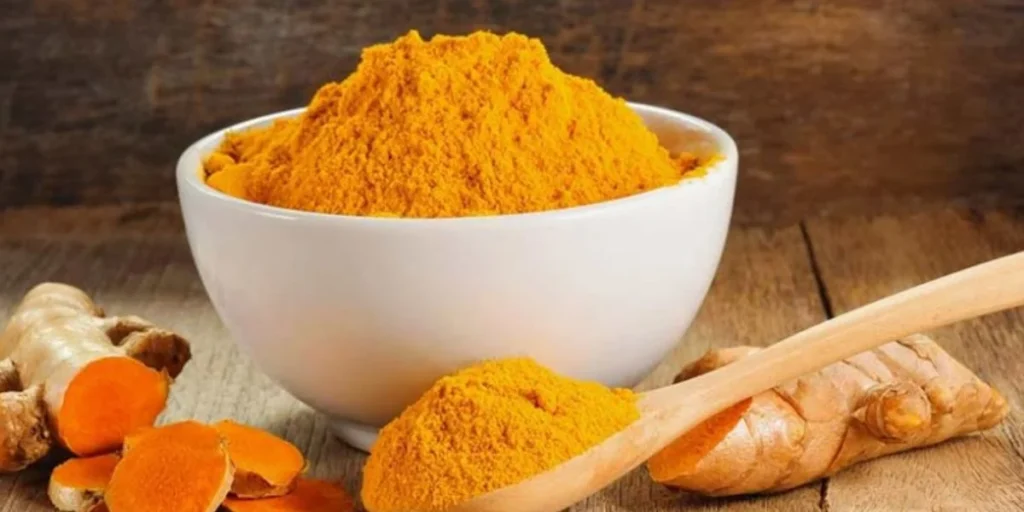
Organic turmeric powder is one of the best export business ideas in India because India is the biggest producer and exporter of turmeric in the globe. Curcumin, the golden spice is enjoying tremendous demand in the world market owing to its established effects in preventing inflammation and healing the body.
Certified organic products that are not subjected to pesticides and chemicals are especially appreciated in the international markets. The Indian turmeric, particularly in areas such as Erode and Sangli, is also known to be of high quality, colour, and richness in curcumin content, and hence in the health-conscious markets across the world, it is a high-quality product.
- Who buys it internationally: USA, Europe, Japan, the Middle East
- Why it’s in demand globally: Health benefits and natural wellness trends
- How to start exporting it: Get organic certification, source quality turmeric
- Profit Potential / Market Insight: 40-60% margins, growing wellness market
2. Specialty Coffee Beans
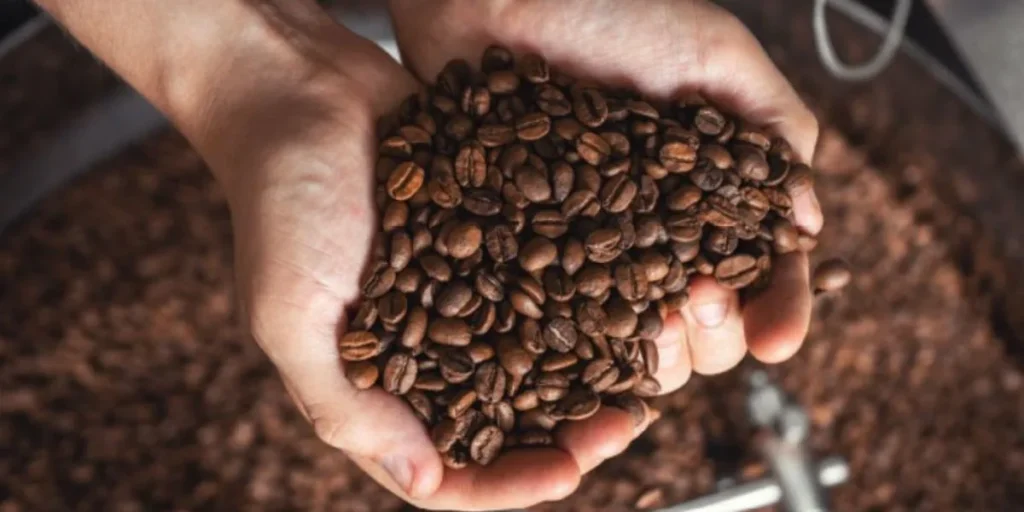
The specialty coffee of India, especially that of Coorg, Chikmagalur and Wayanad, has been gaining international fame due to its characteristic flavour profiles and greenery growing methods. Beans grown under the shade of Western Ghats using Arabica and Robusta strains provide coffee drinkers all over the world with beans that have unique taste profiles. Indian coffees in micro-lot and single-origin are particularly favored in the artisan coffee shops of the developed countries.
- Who buys it internationally: Europe, USA, Japan, South Korea
- Why it’s in demand globally: Unique flavor profiles, sustainable sourcing
- How to start exporting it: Connect with coffee estates, get certifications
- Profit Potential / Market Insight: Premium pricing, 50-70% profit margins
3. Herbal & Ayurvedic Skincare Products

The transition of the global beauty industry towards natural and chemical-free products has provided the Indian herbal and ayurvedic industry with massive prospects in terms of exporting skincare products. The products that are made using conventional materials, such as neem, tulsi, aloe vera, sandalwood, and saffron, are also popular within the global markets.
Westerners are readily attributing the 5,000-year-old wisdom of Ayurveda in India to find genuine, natural beauty products. There is also increased demand, enhanced by the trend called clean beauty and increasing awareness about the negative effects of hidden chemicals in traditional cosmetics.
- Who buys it internationally: USA, UK, Germany, Australia
- Why it’s in demand globally: Natural ingredients, chemical-free formulations
- How to start exporting it: Comply with cosmetic regulations and certifications
- Profit Potential / Market Insight: High margins, $50 billion market
4. Handmade Jute Bags & Eco-Friendly Products
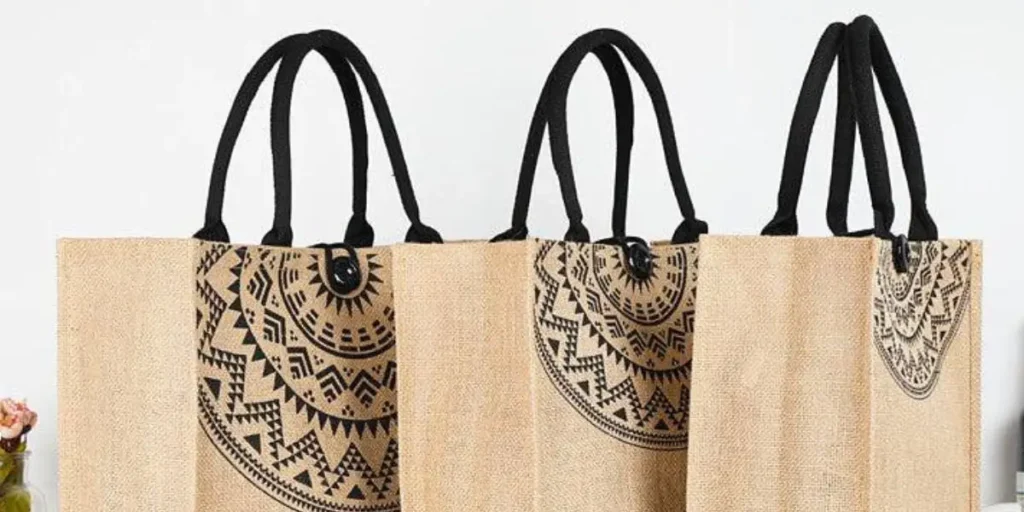
Plastic bans are becoming popular all around the world, and people are more conscious about the ecological issue than ever before, which is why handmade jute bags and eco-friendly products in India are in demand as never before. Besides Bangladesh, India is the other largest producer of jute, and Indian craftsmen make Indian jute bags beautifully designed and durable, which are being used as lifestyle substitutes for plastic.
The products are perfectly in line with the current trends of sustainable living in developed nations. Other than the bags, jute doormats, baskets, decoration, and packaging materials, there are more than one export business idea in this segment.
- Who buys it internationally: Europe, the USA, Canada, Australia
- Why it’s in demand globally: Plastic ban, eco-consciousness, sustainability
- How to start exporting it: Source from artisans, quality control
- Profit Potential / Market Insight: 35-50% margins, growing green market
5. Organic Spices Mix
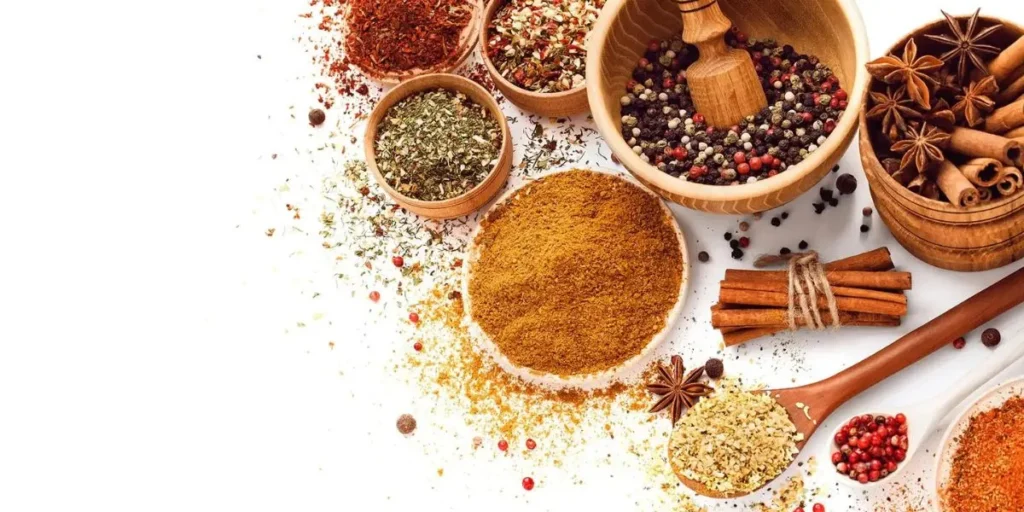
Ready-made organic spices available in the form of garam masala, curry powder, tandoori masala, and chai masala are taking over the global kitchens as the world food culture is adopting traditional Indian tastes. These ready-to-cook spice blends save time but provide restaurant-quality taste, and are a favourite among the time-strapped international customer who enjoys Indian food.
It is one of the most available export business ideas because one needs very little start-up capital and can be operated even in a home kitchen, provided the necessary certifications and approved food safety regulations.
- Who buys it internationally: USA, UK, Canada, the Middle East
- Why it’s in demand globally: Convenience, authentic flavors, health trends
- How to start exporting it: FSSAI license, organic certification, and packaging
- Profit Potential / Market Insight: 45-65% profit, repeat purchase product
6. Ready-Made Garments & Ethnic Wear
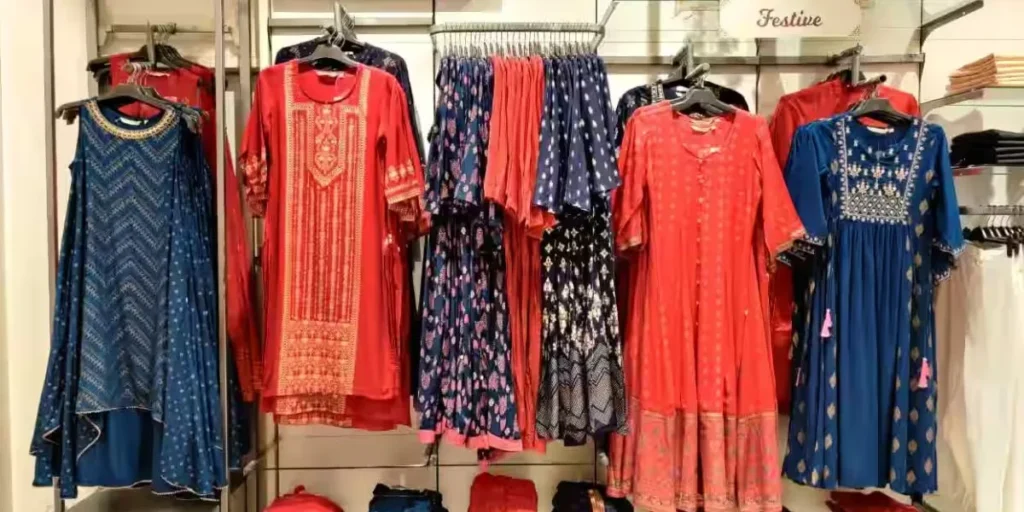
The Indian fabrics and clothes have a long history of quality, workmanship, and bright designs, making them suitable for export business ideas from home. Ready-made ethnic clothes such as sarees, kurtas, kaftans, and modern fusion attire are the favourites of the international Indian diaspora and fashionable international customers who require out-of-the-ordinary styles.
The mix of vintage embroidery, contemporary cuts and eco-friendly fabrics such as cotton and silk place Indian clothes in a good positioning in the global fashion markets that are seeking an alternative to fast fashion.
- Who buys it internationally: USA, UAE, UK, Europe
- Why it’s in demand globally: Unique designs, quality fabrics, competitive pricing
- How to start exporting it: Manufacturer partnerships, quality standards compliance
- Profit Potential / Market Insight: 30-50% margins, massive global market
7. Exotic Tea Varieties (Darjeeling, Assam, Nilgiri)
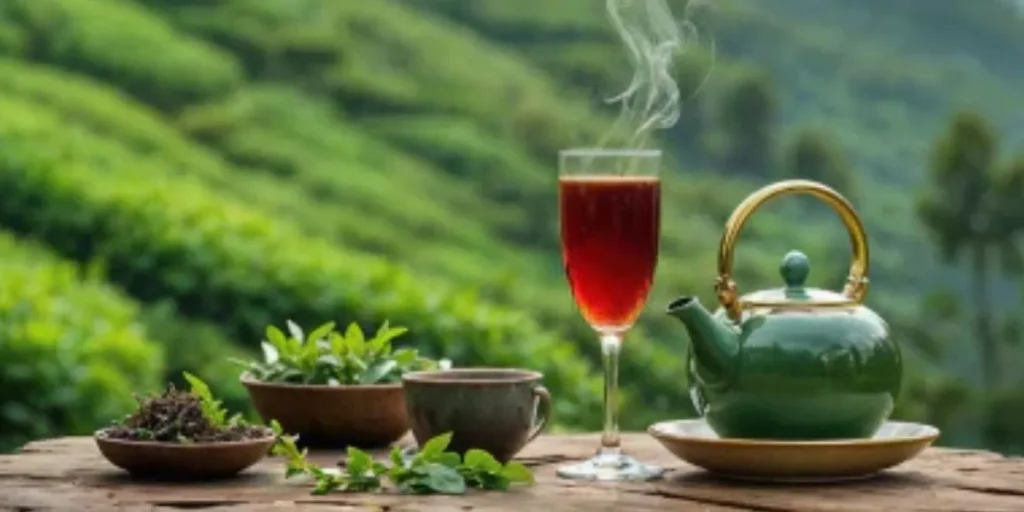
The famous types of tea in India, Darjeeling, Assam, and Nilgiri, are regarded as the best teas in the world, with their unique traits that are greatly appreciated by tea lovers. The muscatel taste of Darjeeling, the malty richness of Assam, and the smooth fragrance of Nilgiri have formed the portfolio of quality teas that are export-worthy. The global specialty tea sector is expanding at a fast pace as people are stepping beyond basic black tea into high-quality and single-origin tea that has a distinct taste.
- Who buys it internationally: UK, USA, Germany, Russia
- Why it’s in demand globally: Premium quality, unique flavours, heritage
- How to start exporting it: Tea estate partnerships, quality certifications
- Profit Potential / Market Insight: Premium pricing, 50-70% margins possible
8. Organic Honey & Bee Products

The Indian organic honey, especially the varieties found in the tribal areas and forests, provides such unique floral varieties that are actively sought after by health-conscious international consumers. Raw honey, honeycomb, bee pollen, propolis, and royal jelly are some of the products that have immense therapeutic properties and fetch high prices in international markets.
Organic honey is chemical-free and comes in its purest form, and thus fits best into the clean eating trend that is sweeping over developed countries. The increasing market in the wellness sector and a demand shift towards natural sweeteners as opposed to refined sugar increase demand.
- Who buys it internationally: USA, Germany, UAE, Japan
- Why it’s in demand globally: Natural sweetener, health benefits, organic
- How to start exporting it: Organic certification, purity testing, proper packaging
- Profit Potential / Market Insight: 40-60% margins, wellness trend-driven
9. Handcrafted Jewellery & Accessories

The Indian and Jewellery- Indian handcrafted jewellery, both old and modern, works with contemporary beadwork and semi-precious stones, has caught the attention of foreign consumers due to its artistry and low prices, making it one of the small export business ideas in India. The artisanship that has been transmitted over the years forms certain designs which cannot be duplicated by the mass production of jewellery.
The artisan jewellery that is Fair-trade certified especially attracts the conscious consumer of Western markets, where the moral over-sourcing and empowering of the old craftspeople is appreciated. Even small-scale exporters have been able to reach customers across the world due to the role of online platforms such as Etsy.
- Who buys it internationally: USA, Europe, Australia, the Middle East
- Why it’s in demand globally: Unique designs, handcrafted appeal, affordability
- How to start exporting it: Artisan networks, hallmark certifications, and online platforms
- Profit Potential / Market Insight: 50-80% margins, boutique appeal
10. Natural Essential Oils
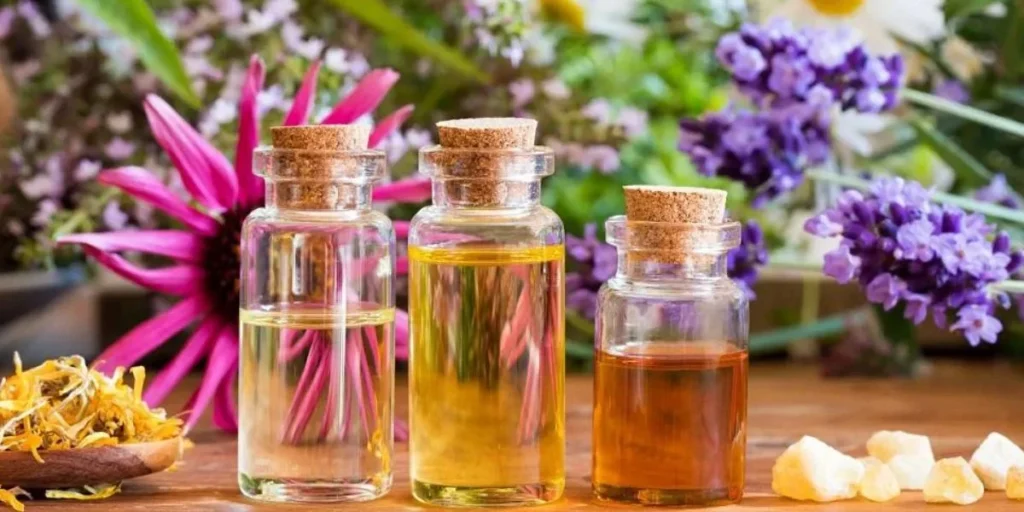
The strong biodiversity and ancient expertise in aromatic plants make India a player to reckon with in the essential oils market around the world. Sandalwood, lemongrass, patchouli, vetiver, eucalyptus and rose oils are used in aromatherapy, cosmetics, pharmaceutical and food industries. It is one of the high-value export business ideas since small amounts of essential oils are sold at very high prices because they are concentrated. The Indian essential oils have been known to be of high therapeutic grade and traditional methods of extraction.
- Who buys it internationally: USA, France, UK, Germany
- Why it’s in demand globally: Aromatherapy trends, natural wellness, quality
- How to start exporting it: Source from distillers, purity testing, certifications
- Profit Potential / Market Insight: 60-100% margins, wellness market growth
11. Herbal Health Supplements

The benevolence of traditional herbal knowledge, coupled with the scientific verification in India, has generated an export cornucopia in herbal health supplements. Ashwagandha, moringa, amla, triphala, turmeric, as well as other ayurvedic herbs are products that are gaining mainstream popularity in Western markets focusing on wellness.
These are the time-honoured herbs that are beginning to be appreciated in the global nutraceutical industry as a way of dealing with stress, immunity, digestion, and a general sense of vitality. The key to success is proper formulation, standardisation, and observing the international supplement regulations.
- Who buys it internationally: USA, Canada, Australia, Europe
- Why it’s in demand globally: Natural health solutions, immunity boosting
- How to start exporting it: GMP certification, lab testing, regulatory compliance
- Profit Potential / Market Insight: High margins, $150 billion global market
12. Handmade Leather Goods
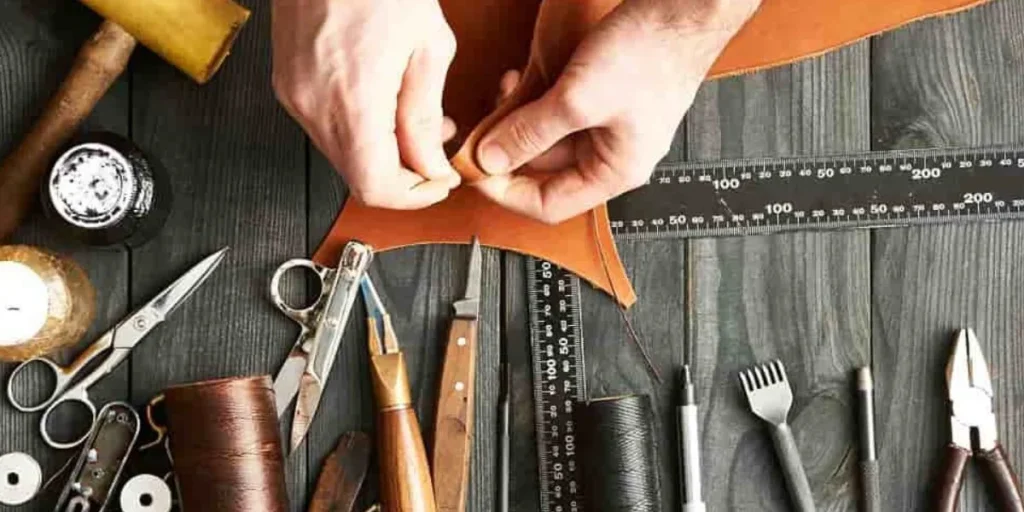
Indian leather workmanship (especially vegetable-tanned and naturally dyed leather goods) provides an environmentally friendly alternative to the mass-produced synthetic accessories, making it suitable for export business ideas for women. One can find handmade leather bags, wallets, belts, journals and footwear and can attest to the quality of work done by the Indian artisans whilst wanting to conform to international quality standards.
The trend of quality, long-lasting, ethically-produced items has also augmented the demand of authentic leather materials which increase with the years of usage as opposed to fashionable disposable products. Indian leather is also affordable and of high quality, and this has made it competitive in the global markets.
- Who buys it internationally: USA, UK, Germany, Japan
- Why it’s in demand globally: Quality craftsmanship, durability, competitive pricing
- How to start exporting it: Quality leather sourcing, skilled artisans, compliance
- Profit Potential / Market Insight: 40-60% margins, steady demand
13. Organic Pulses & Grains
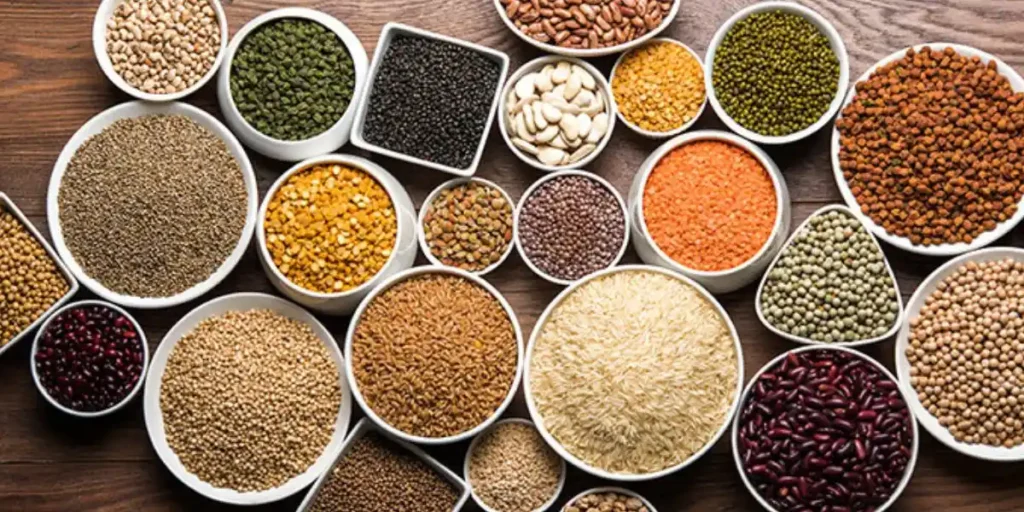
The diverse agro climate in India is a rich source of organic pulses and grains that appeal to the international markets, characterised by good health and the increasing vegetarian/vegan markets, making it suitable for export business ideas from home. Organic lentils, chickpeas, millets, quinoa, and speciality rice types are also priced highly in the global market since they are nutritious, and their farming method are sustainable.
The richness of the pulses in the form of protein is a requirement for plant-based diets, which are rapidly becoming popular over the globe. The key to entering high-quality foreign markets is organic certification and adequate cleaning, grading, and packing.
- Who buys it internationally: USA, Canada, UK, Middle East
- Why it’s in demand globally: Plant-based diet trends, nutritional value
- How to start exporting it: Organic certification, quality grading, proper packaging
- Profit Potential / Market Insight: 30-45% margins, staple product demand
14. Wooden Handicrafts & Home Decor
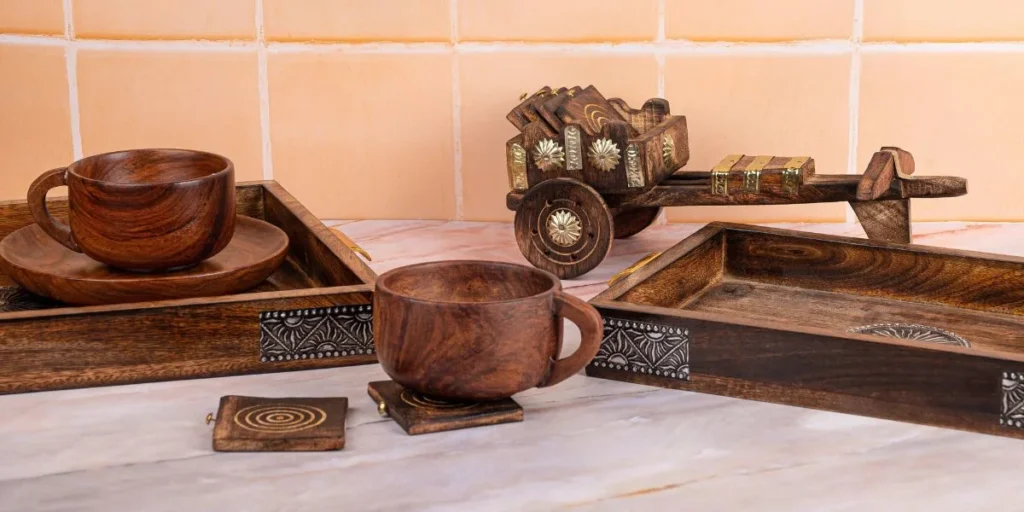
The rich woodworking tradition of the Indian country is reflected in Indian wooden handicrafts, including pieces of wood carved into ornamental panels and decorative elements, as well as modern home decor, which can be seen in the country, making it ideal for small export business ideas in India. Traditional skills, such as inlay work, carving and hand-painting of products made of sheesham, teak, rosewood, and sandalwood, make them unique and cherished by interior designers and homeowners in many parts of the world.
This group has come up with innovative export business concepts such as small decorative products to tailor-made furniture. The uniqueness and stories of each piece attract international customers who want to use authentic handmade products.
- Who buys it internationally: USA, Europe, Australia, the Middle East
- Why it’s in demand globally: Unique designs, handcrafted quality, ethnic appeal
- How to start exporting it: Artisan collaborations, quality control, proper packaging
- Profit Potential / Market Insight: 45-70% margins, boutique market
15. Eco-Friendly Packaging Materials
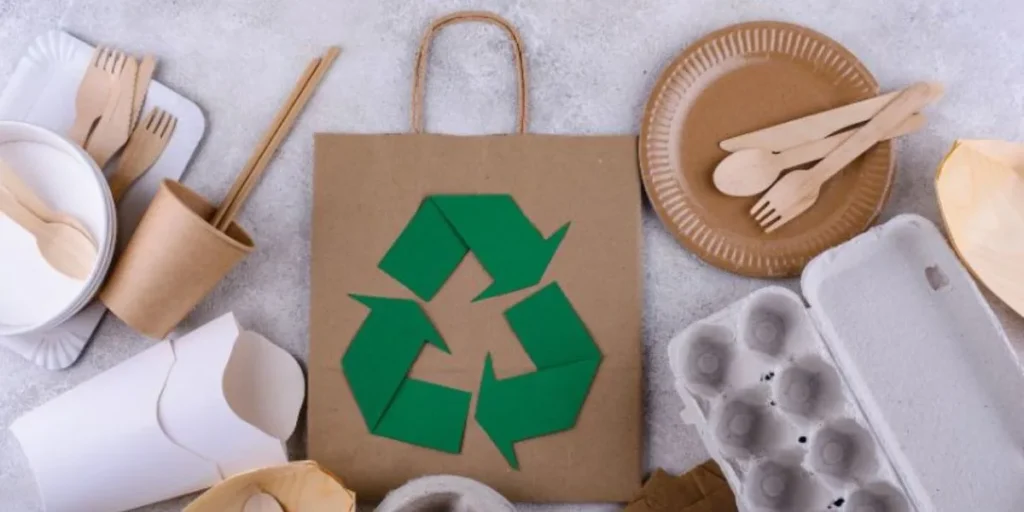
With companies across the globe undertaking to use less plastic, the world is witnessing an explosive demand for eco-friendly packaging materials brought about by bagasse, palm leaves, bamboo, and recycled paper in India, making it one of the most profitable export businesses in India.
Such biodegradable substitutes to plastic, styrofoam wrappings are made in line with the corporate sustainability aspirations and environmental awareness towards consumption. It is among the most promising export business ideas since the pressure on single-use plastics by regulations is growing increasingly all over the world.
- Who buys it internationally: USA, Europe, Canada, Australia
- Why it’s in demand globally: Plastic regulations, corporate sustainability goals
- How to start exporting it: Manufacturing partnerships, certifications, B2B networking
- Profit Potential / Market Insight: 35-55% margins, rapidly growing market
How to Find Buyers for Your Export Business
- B2B Platforms: join IndiaMART, Alibaba, TradeIndia, and Global Sources and find buyers abroad.
- Trade Fairs: Attend international trade fairs such as: IITF, India International Trade Fair and product exhibitions.
- Government Portals: Use APEDA, FIEO and Trade Promotion Council sites to gain access to verified buyer databases.
- Social Media: Use LinkedIn, Instagram, and Facebook to advertise products and make contacts with overseas distributors.
- Export Consultants: Team up with other established export houses and consultants with international networks.
Legal & Compliance Requirements
- IEC Code: Import-Export Code that is mandatory by DGFT on all export transactions.
- GST Registration: It is necessary to claim input tax credit and IGST refunds on exports.
- Product-specific licenses: Secure the required certifications of your product, such as organic, FSSAI, BIS, and so on.
- Documentation: Have a good commercial invoice, packing list, certificate of origin and shipping bill.
- Bank Procedures: Open a current account, know letter of credit, and foreign exchange regulations.
Tips for Women Entrepreneurs & Beginners
- Start Small: Start small with a few products and a single country of interest to get familiarised with the export processes.
- Leverage Government Schemes: Benefits of Stand up India, Mahila Udyam Nidhi and export promotion schemes.
- Quality Building: Concentrate on the consistency and the dependability in building quality and securing repeat orders.
- Network Proactively: In order to become an entrepreneur, join the women entrepreneur associations, export councils, and online communities to support and guide.
- Online Existence: You should establish a professional site and active social media to market your products to foreign shoppers.
Conclusion & Expert Advice
Export business ideas have massive prospects globally, and Indian entrepreneurs who are willing to export their products should be ready to jump into this world. The export business cannot be achieved without commitment, concern about quality, and readiness to learn about the dynamics of the international market. You have to begin by carrying out a detailed research of the product that you have chosen, that is, you need to understand what the target market wants, what is legal and what is not. Form a relationship with trusted suppliers, invest in the right certifications, and keep to uniform quality all of this will have a greater influence on ultimately successful results than anything else.
The favourable policies by the Indian government and the demand of genuine Indian products globally makes it a perfect place to venture in exports. It is important to remember that the process of export business development is long; it is necessary not to hurry, but to persist. When planned and managed, your export business will turn a small business into an international one that will not only contribute to the economic growth of India but will also make your entrepreneurial dreams come true.
FAQs
What kind of capital would be required to start an export business in India?
The initial marketing, documentation, and samples cost you can set ₹50,000 to ₹2 lakhs. Depending on your product and the size of investment, the investment is different.
Would I require a large warehouse to begin an export?
No, you can begin by ordering products directly from the manufacturing companies and delivering them without keeping them in great numbers on hand at the beginning.
What are the products that are most convenient to export out of India?
Organic spices, herbal products, handicrafts, and textiles are comparatively easier to export because of the production-based strength, and governmental regulation is less complex in India.
What is the time taken to get paid in the export business?
Normally, 30-90 days, depending on the agreed terms of payment, a letter of credit is the most secure for new exporters.
Is it possible to export without the manufacturing unit?
Indeed, you can be a merchant exporter where you create quality products by finding the manufacturers and exporting them under your brand.